 Azerbaijan
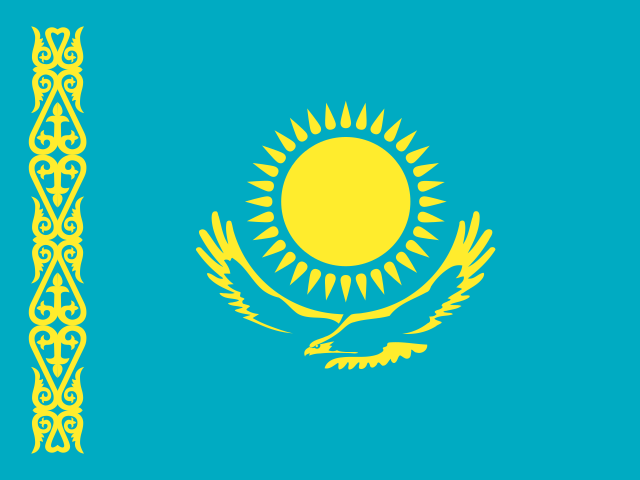 Kazakhstan
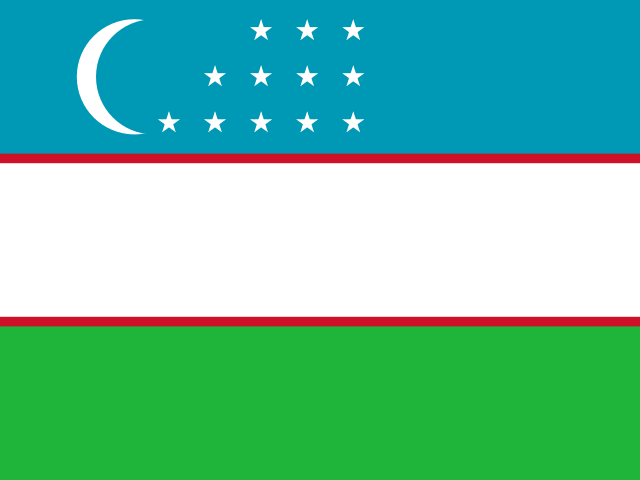 Uzbekistan
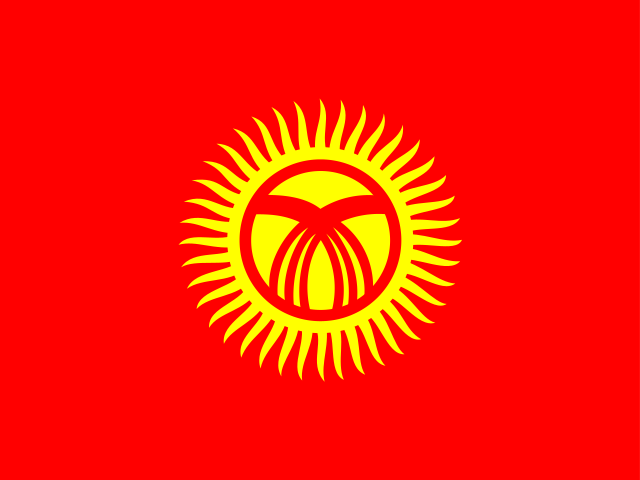 Kyrgyzstan
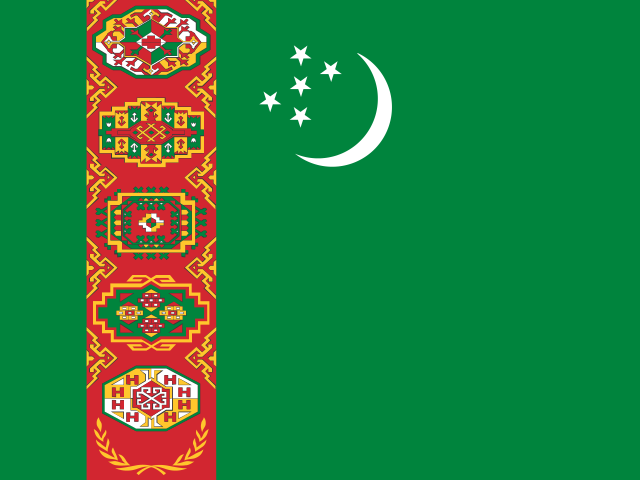 Turkmenistan
 Northern Cyprus
 Türkiye
 Tatarstan
 Bashkortostan
 Sakha (Yakutia)
 Gagauzia
 North Macedonia
 Bulgaria
Kazakhstan's new Constitution: from institutional change to lasting state-society ties
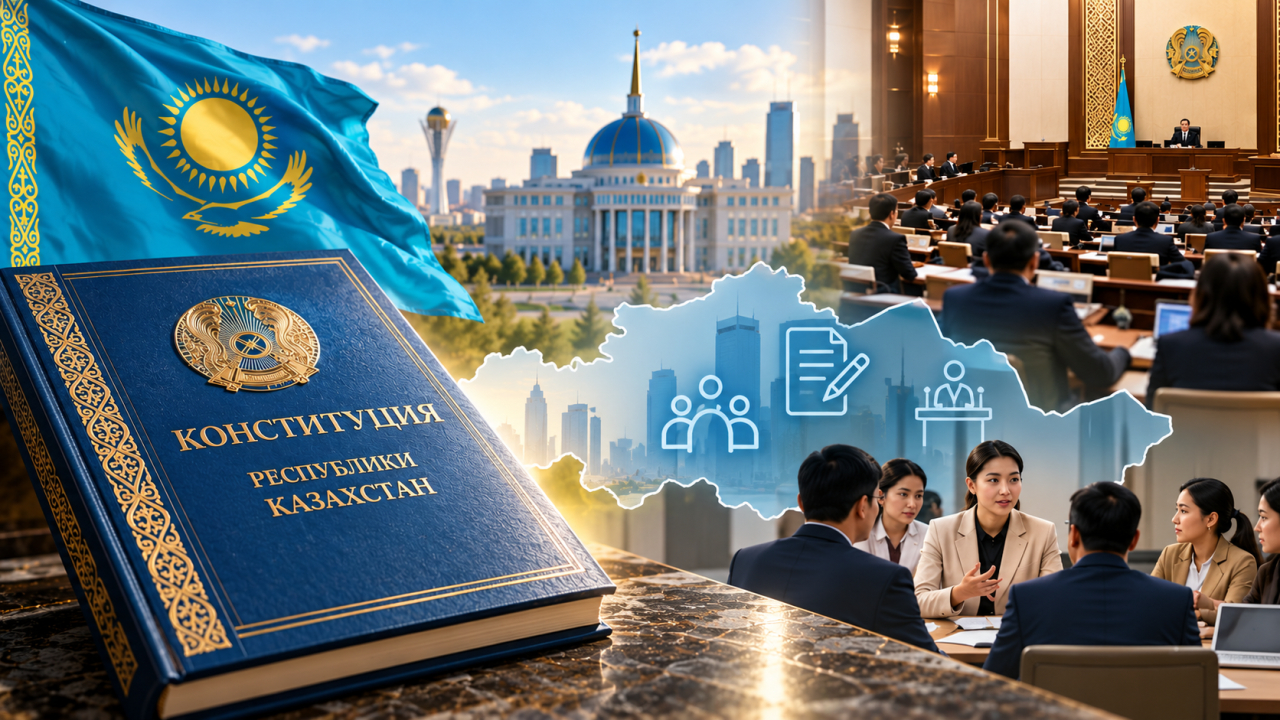
Kazakhstan's system of state power has changed following the adoption of a new Constitution. The country has moved to a unicameral parliament, the Kurultai, while the Kazakhstan People's Council has gained constitutional status and the right of legislative initiative. Ahead of Republic Day, Khabar 24 spoke with political scientist Merey Muratova about what the reforms mean for ordinary citizens.
According to Muratova, the key question is whether the new model can not only represent public interests but also take them into account in shaping and implementing state policy. Article 3 of the Constitution names the development of public dialogue as a fundamental principle of state activity, while Article 35 gives citizens the right to take part in managing state affairs directly and through their representatives. Under Article 52, the Kurultai is the highest representative body exercising legislative power. Under Article 53, it has 145 deputies elected for five years by proportional representation.
Muratova noted that Article 21 protects personal data from unlawful collection, processing, storage and use, including through digital technologies. She said the new Constitution is already in force, and that the next stage involves ensuring that the Kurultai, maslikhats, the People's Council and civil society institutions work sustainably and in coordination.
This story was automatically summarised and translated from Khabar 24. All rights to the story belong to its source.