
 Azerbaijan
 Kazakhstan
 Uzbekistan
 Kyrgyzstan
 Turkmenistan
 Northern Cyprus
 Türkiye
 Tatarstan
 Bashkortostan
 Sakha (Yakutia)
 Gagauzia
 North Macedonia
 Bulgaria
Strong tenge curbs inflation but not store prices, Kazakh central bank chief says
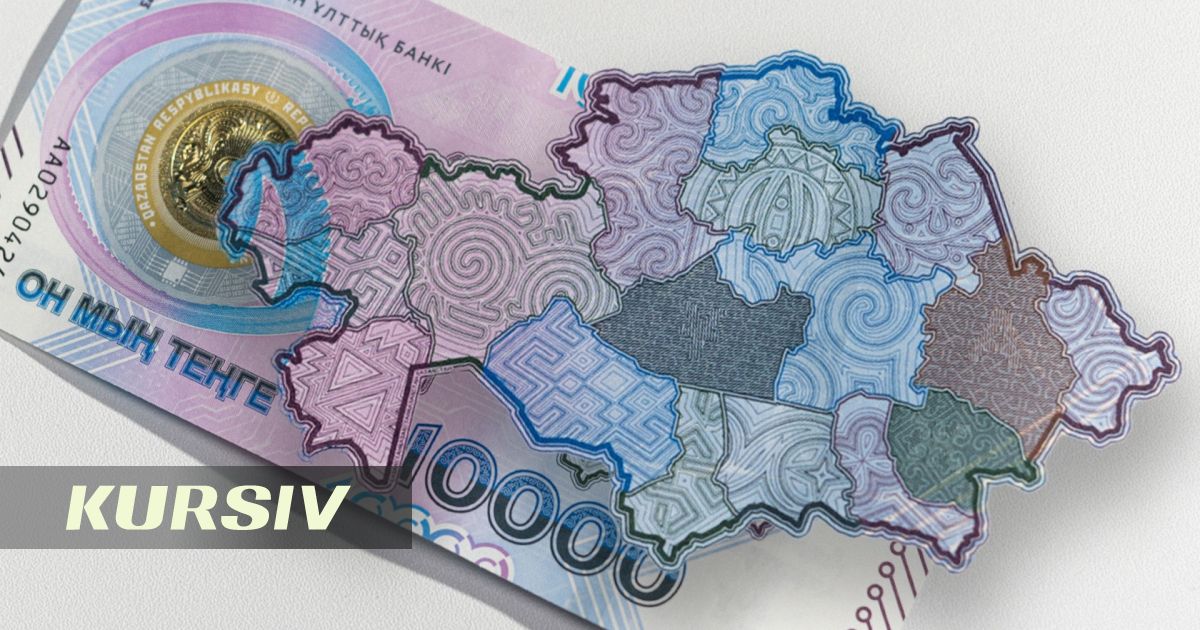
National Bank of Kazakhstan Chairman Timur Suleimenov said the stronger tenge helps contain inflation by lowering the cost of imported goods in national currency. This factor played a significant role in the central bank's latest decision to cut the base rate by 0.5 percentage points to 15.75%.
Suleimenov said Kazakhstan still depends on imports because domestic production does not meet all demand for goods. The country imports about 28% of the food it consumes, while the share of imported intermediate and investment goods exceeds 58%. As a result, the tenge's exchange rate directly affects the cost of goods Kazakhstan buys abroad.
He noted the tenge has strengthened by about 18% against the Russian ruble and 12% against the dollar, reducing the cost of goods paid for in those currencies. However, the stronger tenge has not led to a proportional drop in store prices. Suleimenov cited the ratchet effect, under which prices rarely return to previous levels once raised, but said the stronger currency has prevented further price increases. Food prices imported from CIS countries fell 3.2%. “Therefore, yes, the strong tenge certainly provides disinflationary support,” he concluded.
This story was automatically summarised and translated from Kursiv. All rights to the story belong to its source.