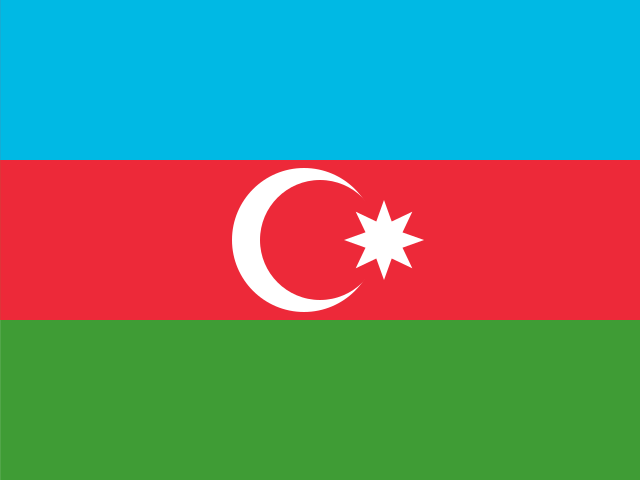
 Azerbaijan
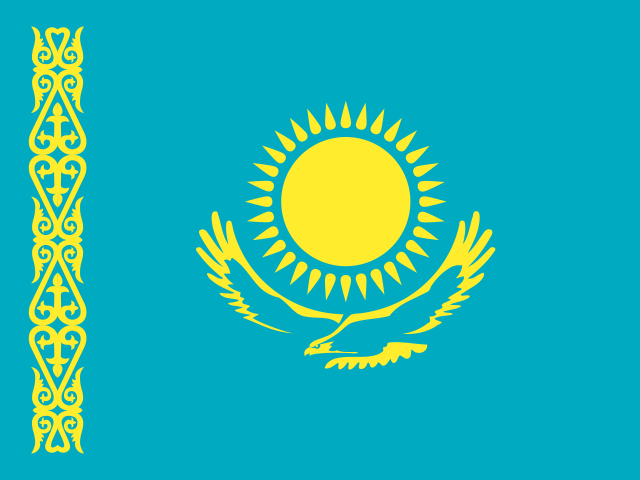 Kazakhstan
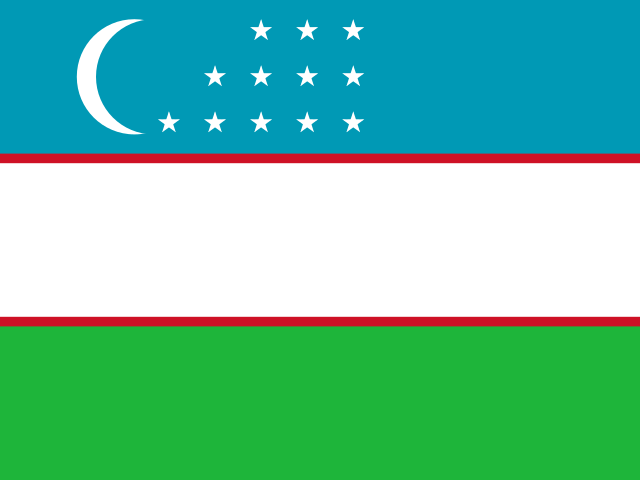 Uzbekistan
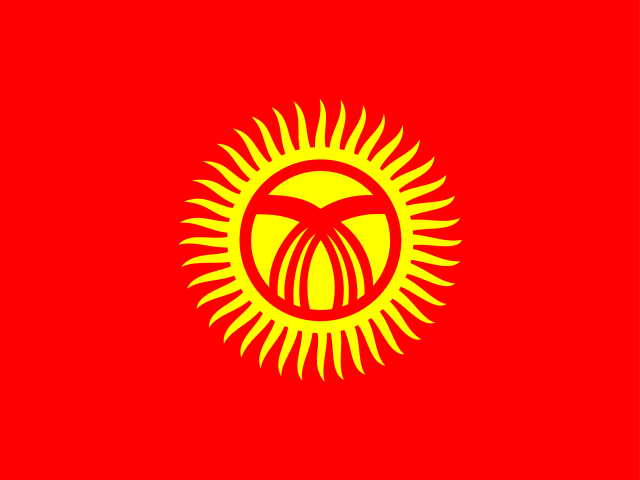 Kyrgyzstan
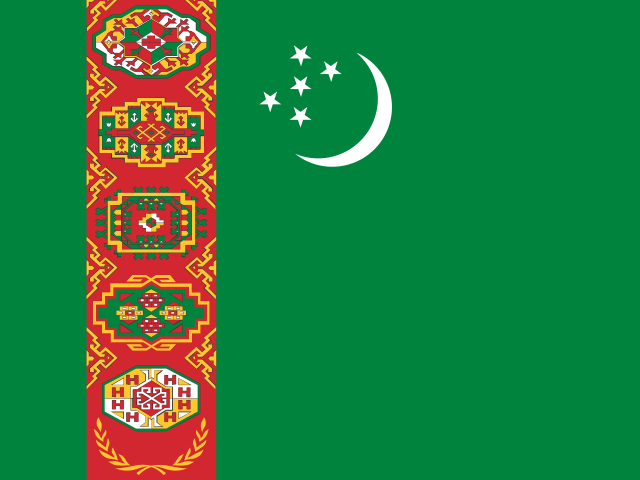 Turkmenistan
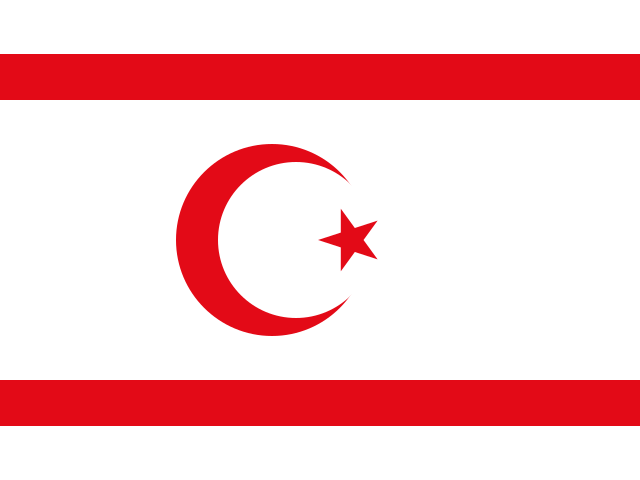 Northern Cyprus
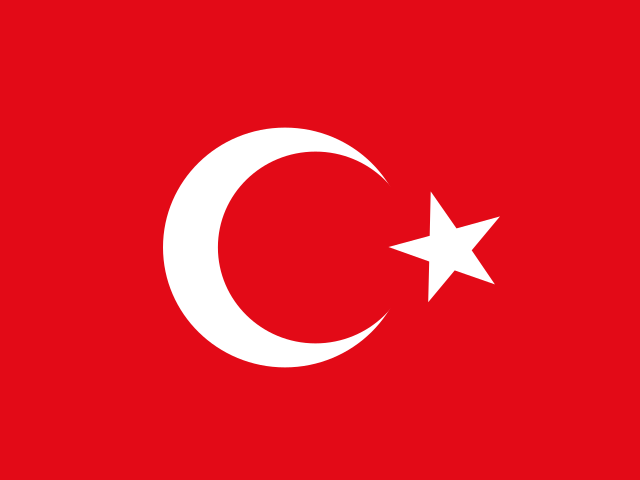 Türkiye
 Tatarstan
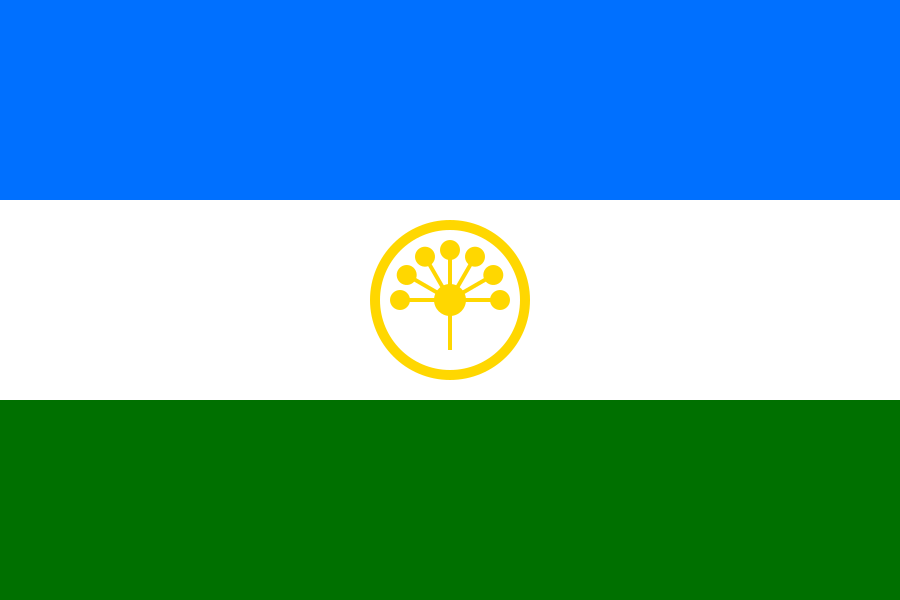 Bashkortostan
 Sakha (Yakutia)
 Gagauzia
 North Macedonia
 Bulgaria
Pashinyan proposes territorial swap of equal area with Azerbaijan
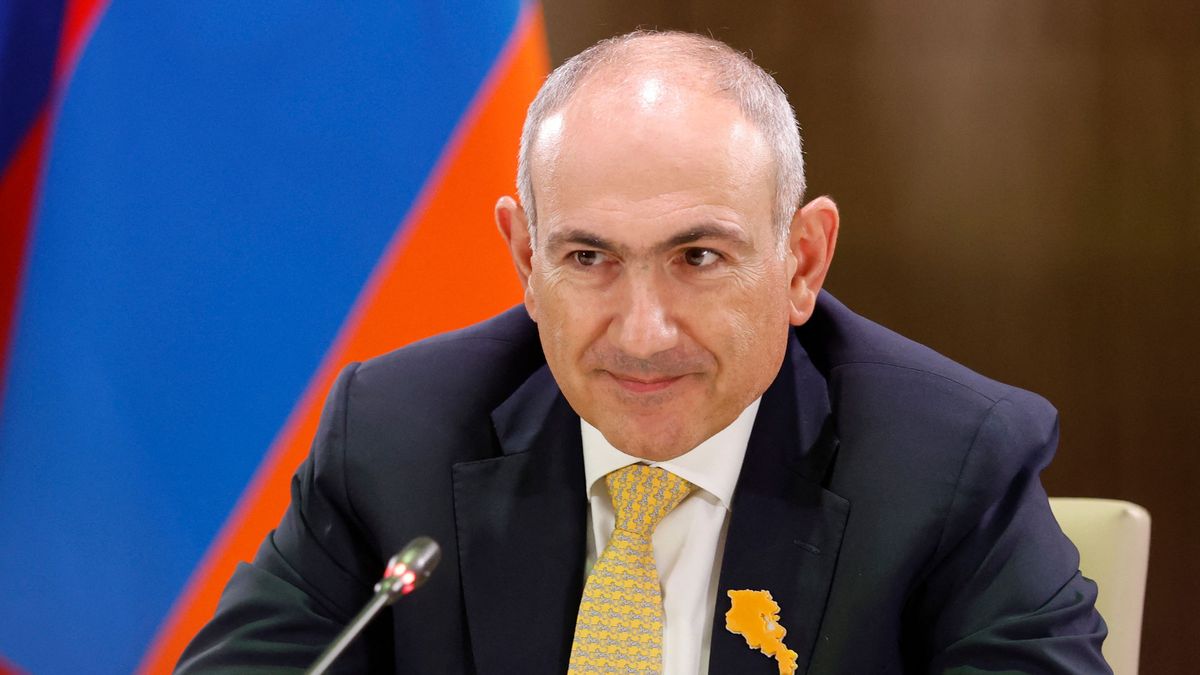
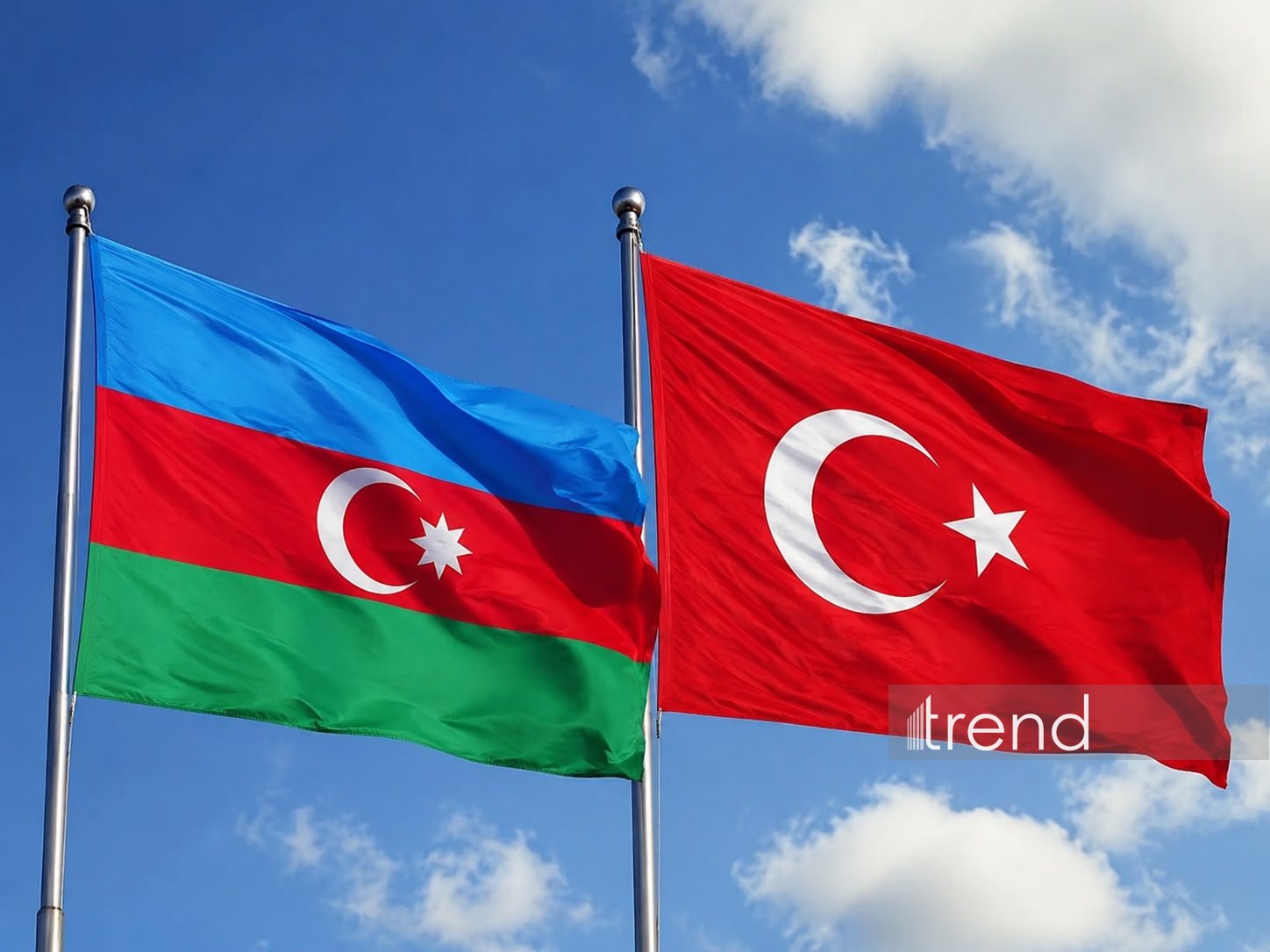
Armenian Prime Minister Nikol Pashinyan has proposed that Armenia and Azerbaijan exchange territories of equal area to eliminate enclaves and exclaves along their border. NUR.KZ, the Kazakh outlet, reported the proposal, citing RBK.
Pashinyan said that delimitation and demarcation of the border should be carried out on the basis of the Alma-Ata Declaration, and that Armenia's area should amount to 29,743 sq km. Quoted by TASS, he said the enclave and exclave problem should be solved so that no enclaves or exclaves remain on either side of the border, with both countries exchanging territories of exactly corresponding sizes.
Pashinyan added that neither country should make claims against the other, “including the logic of Karabakh, Gardman, Shirvan, Nakhichevan or ‘Western Azerbaijan’”. He also said all communications should be unblocked both within and outside the “Crossroads of Peace” project, and that all roads should be open for travel through both Armenia and Azerbaijan.
This story was automatically summarised and translated from Nur.kz. All rights to the story belong to its source.