 Azerbaijan
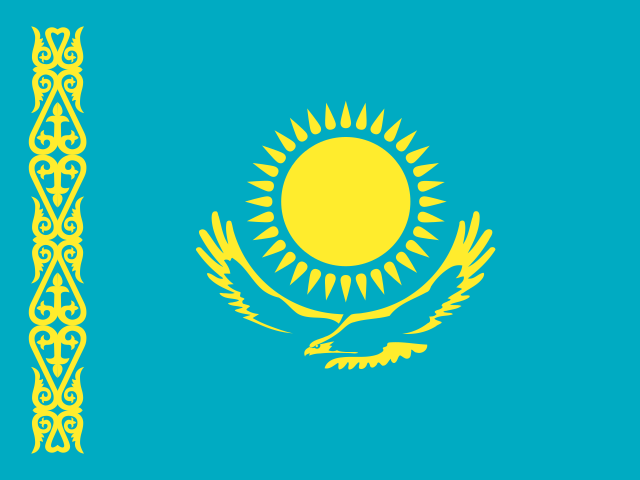 Kazakhstan
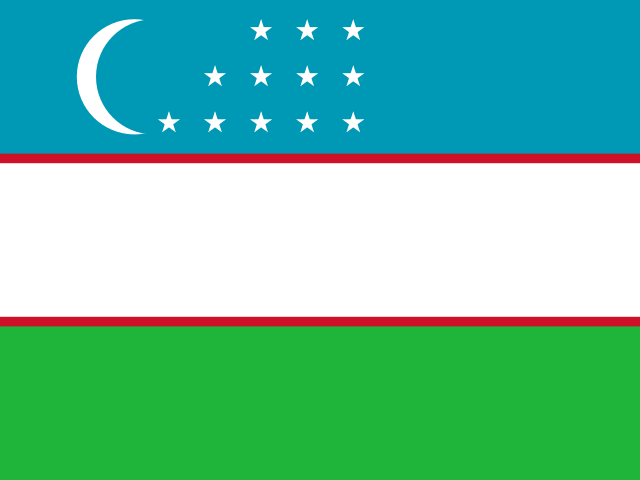 Uzbekistan
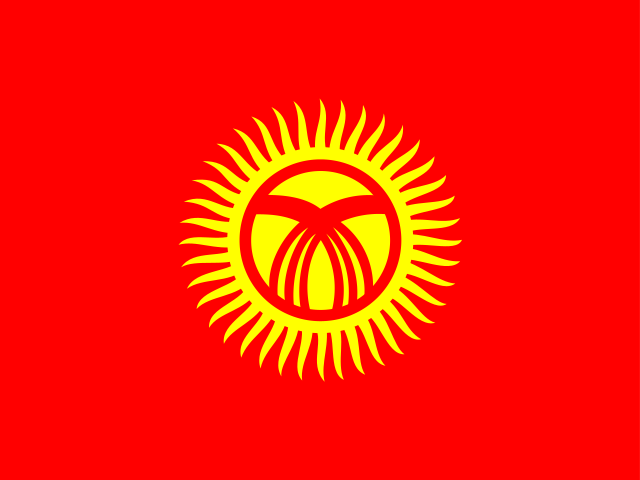 Kyrgyzstan
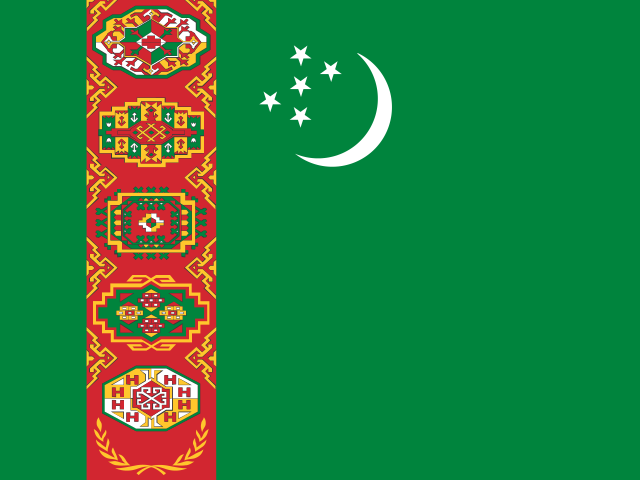 Turkmenistan
 Northern Cyprus
 Türkiye
 Tatarstan
 Bashkortostan
 Sakha (Yakutia)
 Gagauzia
 North Macedonia
 Bulgaria
Kazakhstan's constitutional changes need concrete legal mechanisms, expert says

Meruert Kabylbayeva, head of the Legal Monitoring and International Practice Center at Kazakhstan's Institute of Parliamentarism and a master of legal sciences, said the constitutional changes concern the model of power, public participation in decision-making and guarantees of human rights. The creation of the unicameral Kurultai creates a new law-making model, she said, but the system's effectiveness depends on quality drafting of bills, wide public discussion and monitoring of how enacted laws are carried out. She noted that the Kurultai's powers to oversee the government, take part in personnel decisions and form state bodies are central to the new system.
She said the People's Council of Kazakhstan's right to initiate legislation and to initiate a national referendum widens citizens' influence on state decisions. Calling the main change the need to secure constitutional principles with concrete legal mechanisms, she said legal predictability matters most for young people. She added that the election of Kurultai deputies from party lists opens new opportunities for youth political participation. She also urged a systematic review of existing laws to remove outdated terms and contradictions.
This story was automatically summarised and translated from Egemen Qazaqstan. All rights to the story belong to its source.