
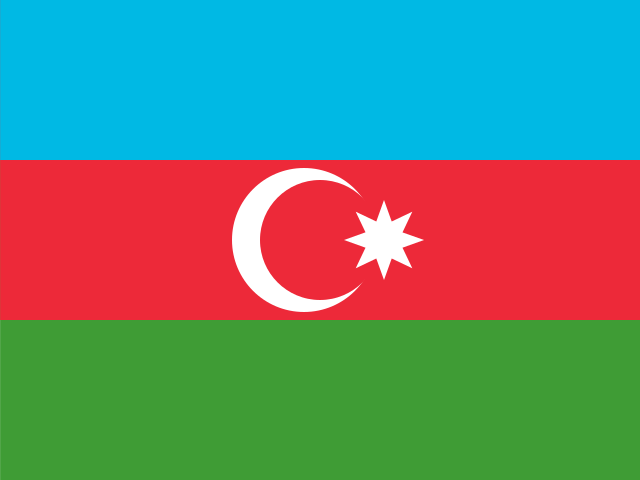
 Azerbaijan
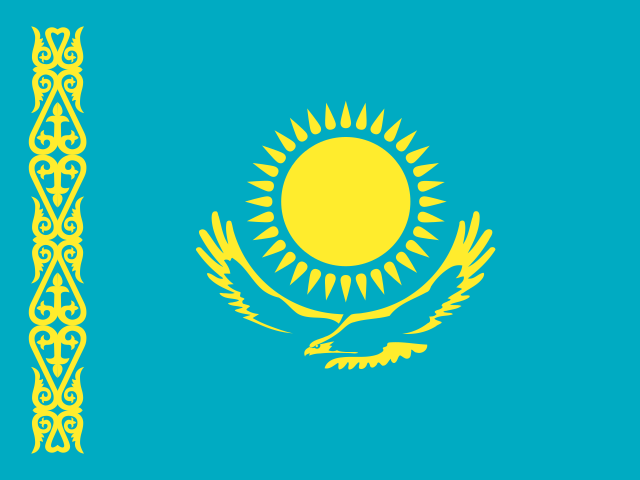 Kazakhstan
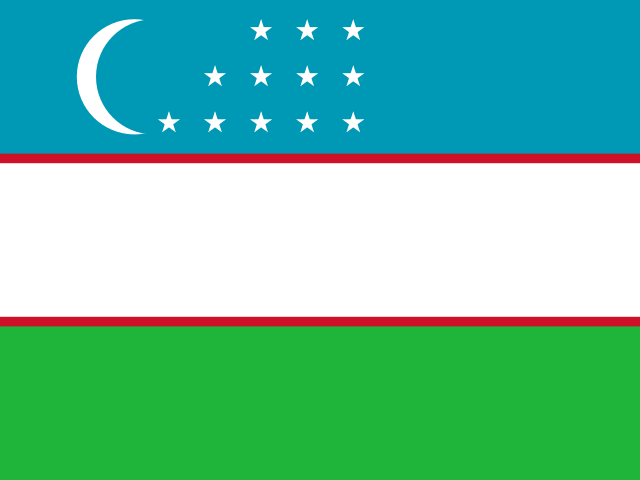 Uzbekistan
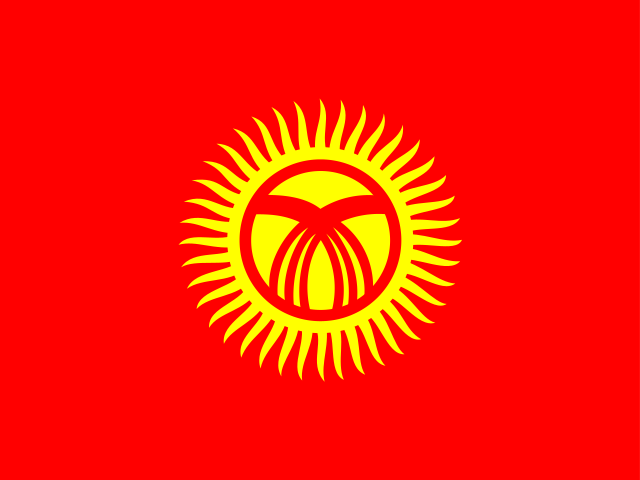 Kyrgyzstan
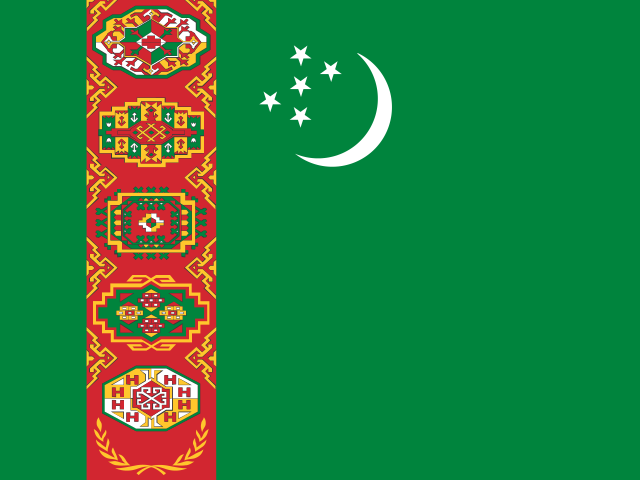 Turkmenistan
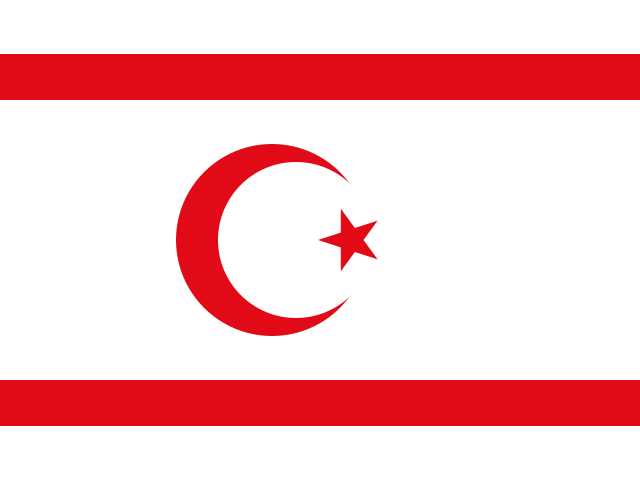 Northern Cyprus
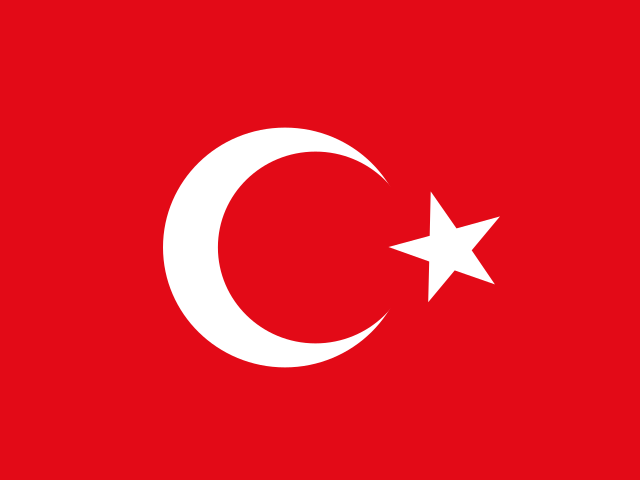 Türkiye
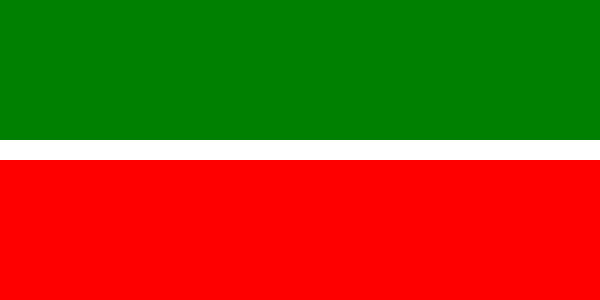 Tatarstan
 Bashkortostan
 Sakha (Yakutia)
 Gagauzia
 North Macedonia
 Bulgaria
📘 Explainers: understanding the Turkic world
Nowruz in the Turkic World: Meaning, Date and UNESCO Recognition
Nowruz, a spring festival meaning "new day", is celebrated by more than 300 million people across a wide region, including several Turkic states. It has been on UNESCO's list of intangible cultural heritage since 2009.
Last updated: November 19, 2026
What Nowruz means
Nowruz is also written Nauryz or Nevruz. The name means "new day". In Turkmenistan the festival is known as Nowruz Bayramy and is also called the Spring Festival.
The date
The International Day of Nowruz is 21 March. This is the first day of spring in the northern hemisphere. The festivities are not limited to a single day.
A festival of about two weeks
UNESCO describes Nowruz celebrations as a mix of rituals, ceremonies, traditional games, special dishes, performances and cultural events. Together they run for about two weeks.
A wide geographic reach
More than 300 million people celebrate Nowruz. The celebrations take place in parts of Central, West and South Asia, and in a stretch of territory from Southeast Europe to the Caucasus and the Ural Mountains. The festival is therefore not limited to the Turkic peoples. It is shared with many other communities.
UNESCO listing
Nowruz was first inscribed on UNESCO's Representative List of the Intangible Cultural Heritage of Humanity in 2009. Six countries made the original nomination. In 2016 the inscription was extended to include another six, bringing the total to twelve. The countries that share the element are Afghanistan, Azerbaijan, India, Iran, Iraq, Kazakhstan, Kyrgyzstan, Uzbekistan, Pakistan, Tajikistan, Turkmenistan and Turkey. The list includes Azerbaijan, Kazakhstan, Kyrgyzstan, Uzbekistan, Turkmenistan and Türkiye, the countries covered by this article.
Nowruz Bayramy in Turkmenistan
In Turkmenistan, Nowruz is observed as Nowruz Bayramy, also called the Spring Festival. It is a public holiday in the country and appears in the holiday calendar published by the U.S. Embassy in Turkmenistan.
Sources
This explainer was prepared with AI from current sources found on the web, checked against those sources by a second AI review, and translated into eight languages. The sources are listed at the end of the page. If you spot an error, please write to us.