 Azerbaijan
 Kazakhstan
 Uzbekistan
 Kyrgyzstan
 Turkmenistan
 Northern Cyprus
 Türkiye
 Tatarstan
 Bashkortostan
 Sakha (Yakutia)
 Gagauzia
 North Macedonia
 Bulgaria
Ancient Bayte-3 sanctuary in Kazakhstan sheds light on nomads' spiritual world
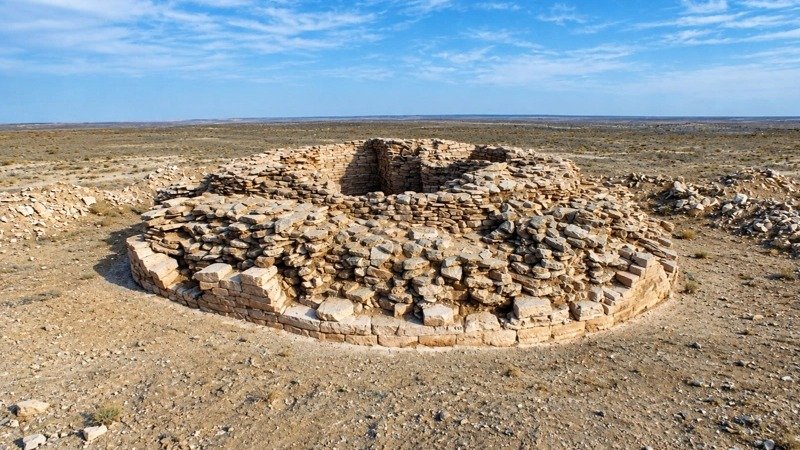
Bayte-3, an ancient sanctuary dating to the 4th-3rd centuries BC, lies in the Ustyurt steppe of West Kazakhstan, Qazinform News Agency reports. Located about 20 kilometers northeast of the village of Sai-Otes in Mangistau region, the site was investigated in 1998 by the West Kazakhstan archaeological expedition.
Archaeologists uncovered a monumental sanctuary, stone sculptures and artifacts linked to the cosmological, animalistic and calendrical concepts of ancient nomads. The structure measures about 19 meters in diameter, and its original height is estimated at more than five meters. Few signs of everyday life were found, suggesting it served exclusively religious functions.
Researchers associate Bayte-type sanctuaries with the Sarmatian tribes. Scholars believe the site was likely destroyed by a powerful earthquake. In 2003, Bayte-3 was placed under state protection as a monument of local significance, and Aiman Yarikhanova of the Mangistau State Historical and Cultural Reserve notes such monuments help researchers understand nomads' perception of nature, the heavens and time.
This story was automatically summarised and translated from Kazinform. All rights to the story belong to its source.