 Azerbaijan
 Kazakhstan
 Uzbekistan
 Kyrgyzstan
 Turkmenistan
 Northern Cyprus
 Türkiye
 Tatarstan
 Bashkortostan
 Sakha (Yakutia)
 Gagauzia
 North Macedonia
 Bulgaria
Half of Uzbekistan's irrigated land is salinised, study finds

Uzbekistan's Center for Economic Research and Reforms has published a scientific study on decarbonising the country's agriculture. The center's press service said the research was presented at an international seminar held on 19–20 October at the Ministry of Economy and Finance.
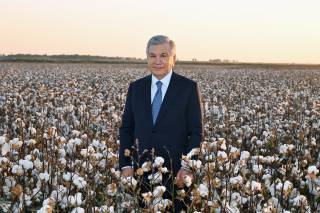
According to estimates, agriculture accounts for 17.5% of Uzbekistan's total greenhouse gas emissions, and nearly two-thirds of the sector's emissions come from methane, mainly linked to livestock. The study noted that between 2017 and 2025 grain yields rose 48% and raw cotton yields rose 71%, while water intake fell 22%. The area using water-saving technologies reached 2.6 million hectares.
The research also found that 37% of irrigation water is lost in canals and that half of irrigated land has become saline. Experts proposed measures to reduce these problems by 2070, including better water management, cutting food losses and improving the efficiency of agricultural land use. Uzbekistan's total land area is 44.9 million hectares, of which 26.2 million hectares are used for agriculture.
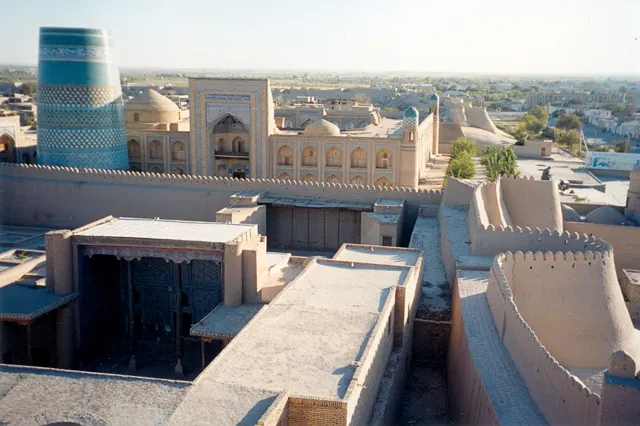 🧭 TravelUzbekistanUzbekistan is home to the Silk Road cities of Samarkand, Bukhara and Khiva, with their blue-tiled domes...
Follow us on Telegram @weareturks_news_en
This story was automatically summarised and translated from Daryo. All rights to the story belong to its source.