
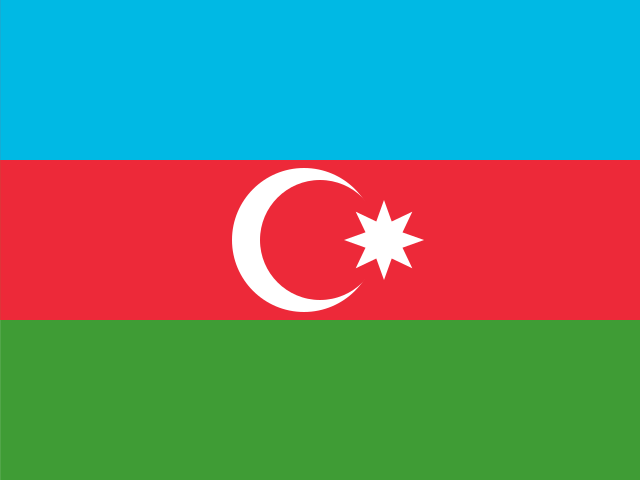
 Azerbaijan
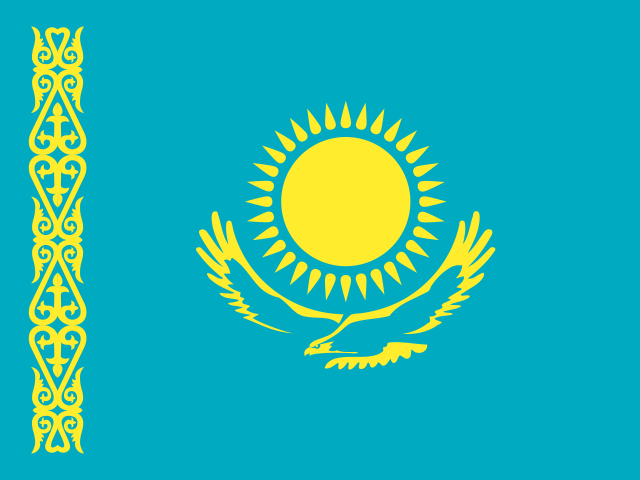 Kazakhstan
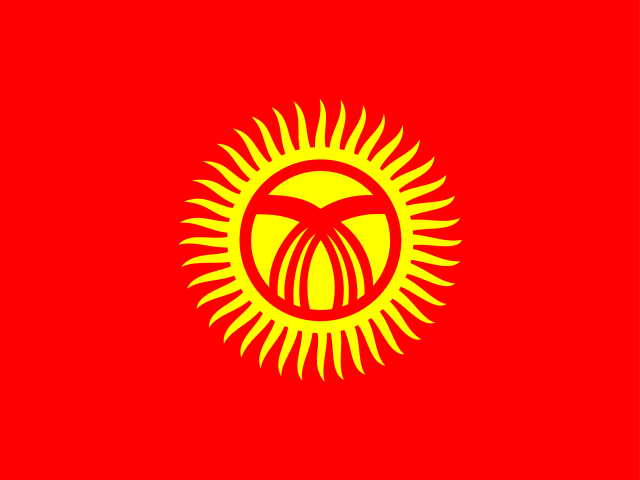 Kyrgyzstan
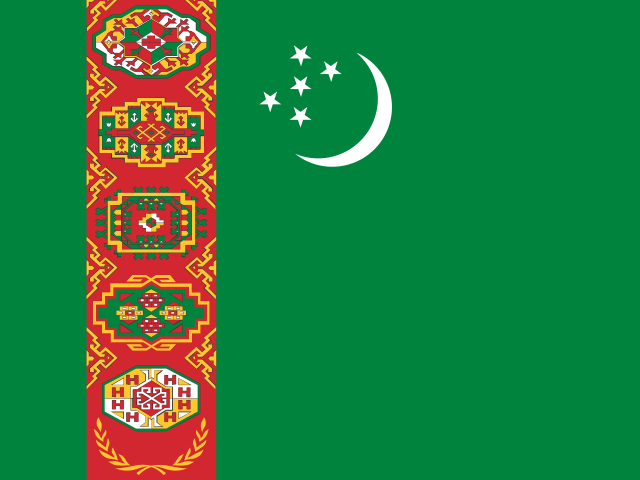 Turkmenistan
 Northern Cyprus
 Türkiye
 Tatarstan
 Bashkortostan
 Sakha (Yakutia)
 Gagauzia
 North Macedonia
 Bulgaria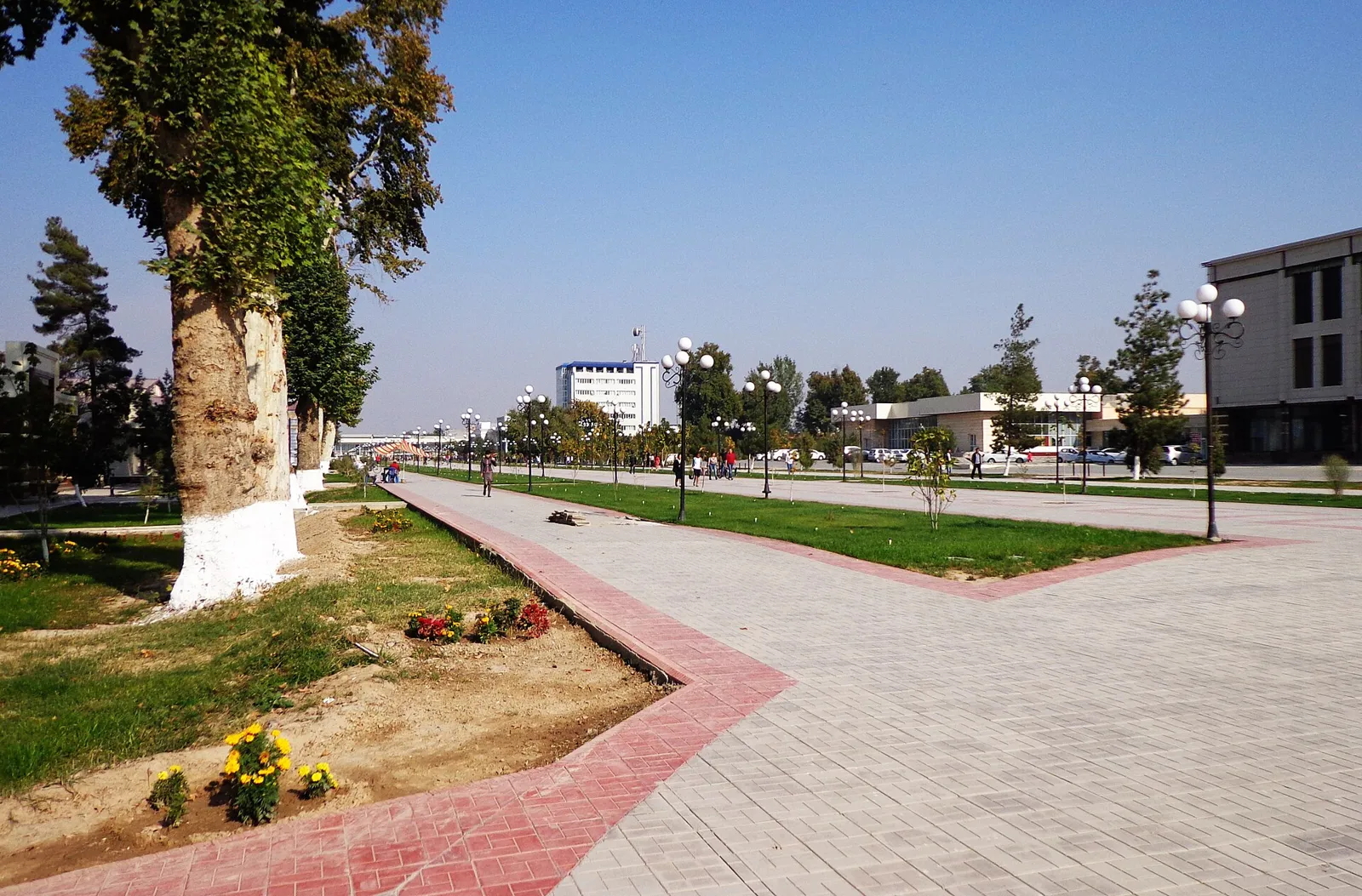
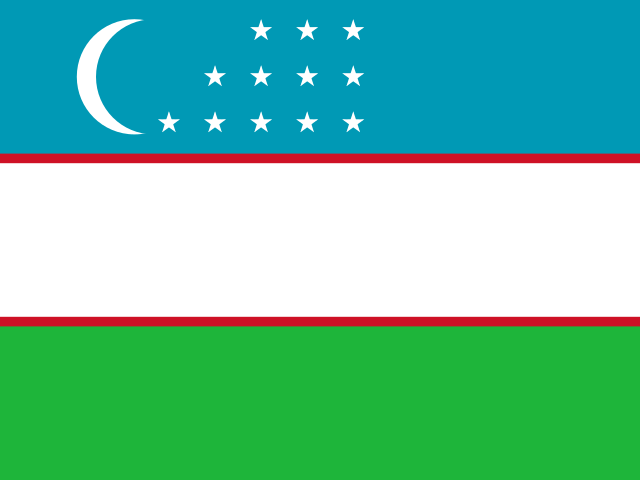
Fergana
Fergana is a calm Uzbek city of wide tree-lined boulevards and Russian-era buildings, with a character quite different from the rest of the Fergana Valley. It makes an easy base for reaching the valley's craft towns such as Margilan and Rishtan.
Why visit
Fergana is the regional capital in the eastern Fergana Valley, less than 20 km from the Kyrgyzstan border. It began in the 1870s as a Russian garrison town, which is why it feels so different from the valley's older bazaar cities.
Wide, shaded avenues, imperial-era buildings and the Russian language heard on the street give it its own flavour. It suits travellers who want to see everyday Uzbekistan away from the busiest tourist routes.
How many days
One full day is enough for the city itself. If you want to add day trips to nearby towns, plan three to four days.
If you are exploring the valley as a whole, Fergana works well as a base from which to visit neighbouring towns on separate days.
Top sights
The Museum of Local Studies shows natural history, old photographs and local handicrafts. The regional theatre occupies the building that was General Skobelev's house in 1877, and Fergana State University, built in 1902, reflects the architecture of the period.
The Great Fergana Canal, dug almost entirely by hand in the 1930s and completed in 1939, passes through the north of the city. The photographer Max Penson documented the canal and the city in those years. Check visiting hours before you go.
Where to stay (neighbourhoods)
The central area around the main tree-lined avenues is the most practical base: you can walk to most sights and find places to eat easily. Most of what there is to see is concentrated in this core.
Check current listings and reviews before booking.
Getting there and around
Fergana lies roughly 320 to 420 km east of Tashkent (sources give different distances). You can reach it from Tashkent by road, train or domestic flight; check current services before you go. Andijan is about 75 km to the northeast.
Within the city, walking and taxis cover most needs. Margilan is around 20 km away and is a short trip.
What to eat
The valley's food draws on familiar Uzbek cooking: plov, manti, lagman, samsa and plenty of tea. Local markets offer seasonal fruit and dried fruit and nuts.
Ask locals for recommendations and check current opening details before you go.
Best time to visit
Fergana has a cool, arid climate. Winters are cold and short, with a January average high of about 5 °C. Summers are hot, with a July average high around 35 °C.
Most of the little rain falls in winter and spring. Spring and autumn are generally the more comfortable seasons for sightseeing.
Day trips
Margilan, about 22 km to the northwest, is known for silk; it specialised in silk goods as far back as the Timurid period. Rishtan is known for its ceramics. Both are good places to see the valley's craft traditions.
Quva has well-studied finds dating from before the 5th century, which may interest history lovers. The Kyrgyzstan border is very close, but check official sources for current crossing information.
Latest news
- Uzbekistan and World Bank discuss attracting investment
- Uzbekistan and IFC discuss transport and energy projects
- Uzbekistan to Create Full Cost Coverage System for Childhood Cancer Treatment
- Uzbekistan and EBRD discuss privatization and support for business
- Uzbekistan and Malaysia agree to train semiconductor workforce
- Mirziyoyev Discusses New Power Plants and Fuel Supplies With Foreign Investors