
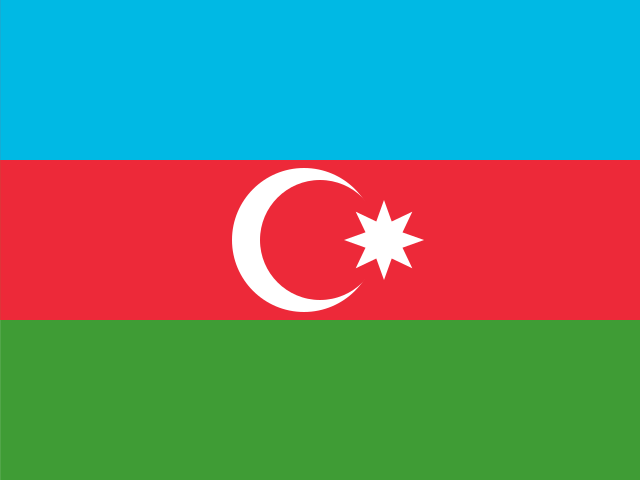
 Azerbaijan
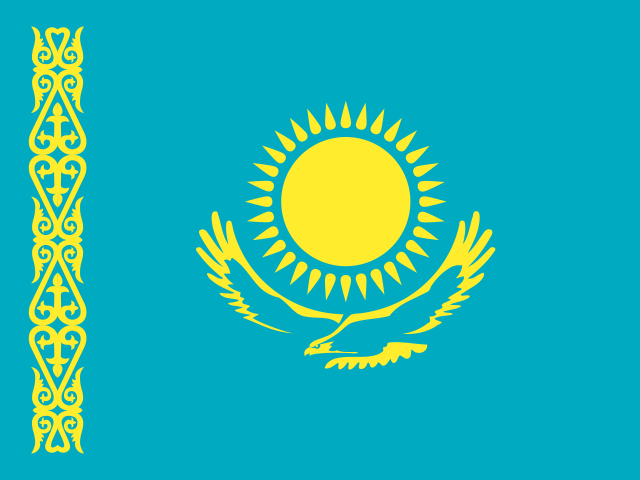 Kazakhstan
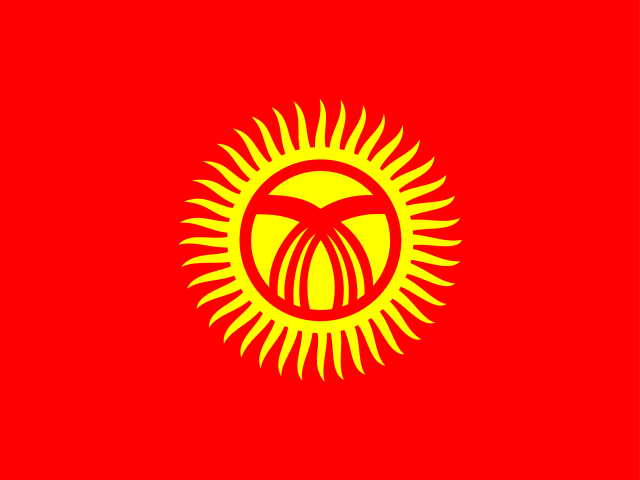 Kyrgyzstan
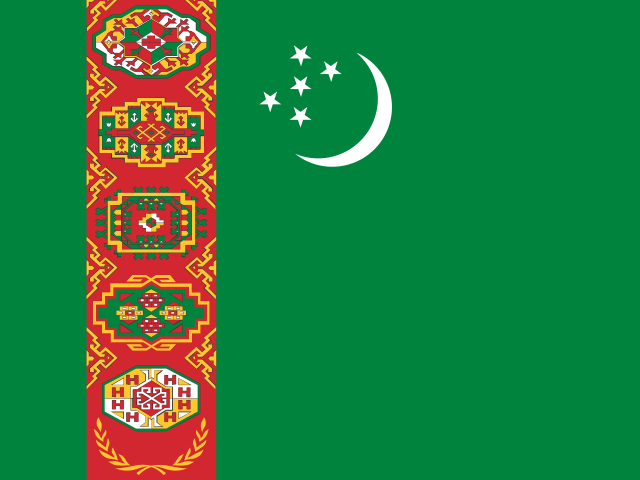 Turkmenistan
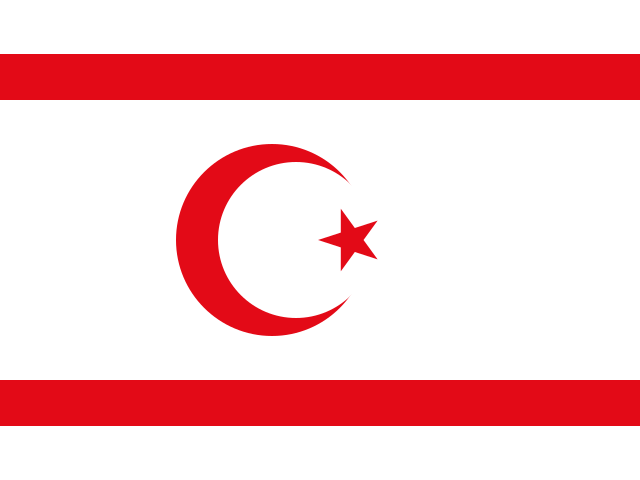 Northern Cyprus
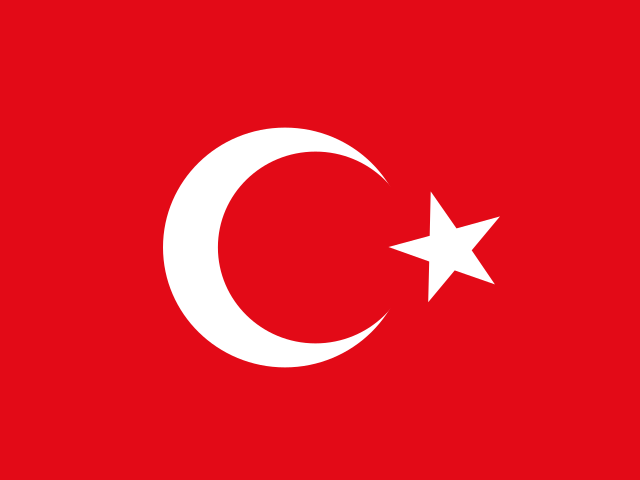 Türkiye
 Tatarstan
 Bashkortostan
 Sakha (Yakutia)
 Gagauzia
 North Macedonia
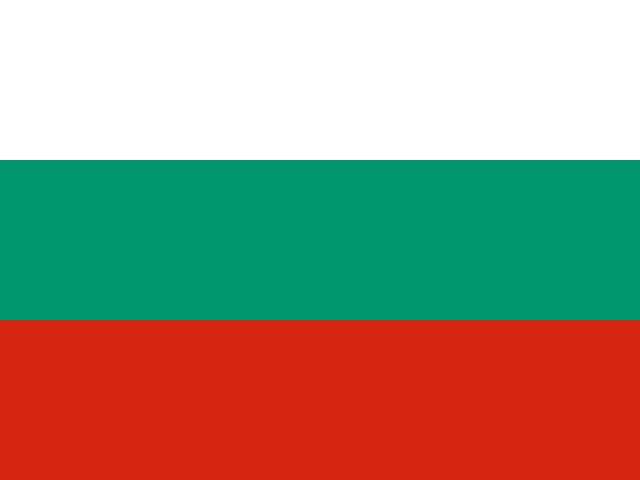 Bulgaria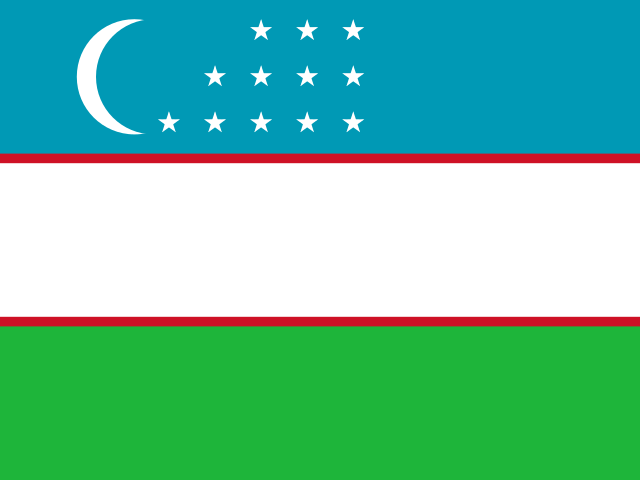
Uzbek cuisine
Uzbek food revolves around plov cooked in a great cauldron, bread fresh from the tandoor and long conversations in tea houses. From Tashkent to Samarkand and Khorezm, each region adds its own character to the table.
Overview of the cuisine
Uzbek cuisine shares culinary traditions with other peoples of Central Asia. Grain farming is widespread, so bread and noodles are central, and the cuisine has been described as noodle-rich. Mutton is the most popular meat, beef is common, and horse meat appears in some products such as sausages. Fat from the tail of the sheep is a traditional cooking ingredient.
Dishes are usually cooked with plenty of onion and are seldom very spicy; herbs and spices such as cumin, coriander, dill, basil and barberries shape the flavour. Regional differences are real: plov in the Fergana Valley is often described as darker and more fried, while in Tashkent it is lighter. Pork is not part of the traditional table, and alcohol is less widespread than in the West.
Plov
Plov, also called palov or osh, is the signature dish of Uzbekistan. It is made from rice, chunks of meat, grated carrots and onions, and cooked over an open fire in a kazan. The onion and carrot base, fried in fat, is called zirvak, and the rice is laid on top and steamed. Chickpeas, raisins, barberries or fruit may be added. Its tradition is on UNESCO's Representative List of the Intangible Cultural Heritage of Humanity.
Large communal plov is prepared by specialist cooks called oshpaz, often in huge cauldrons for weddings and holidays. Morning plov (nahor oshi) is a wedding-day tradition served early to large gatherings. Tashkent, Samarkand, Fergana and Khorezm each have their own style, so trying plov in more than one city is a good way to taste the differences. Ask locals for the best place.
Bread and pastries
Uzbek bread, called non or patir, is baked in a tandoor as a round flatbread with a thinner centre, often decorated with a wooden stamp called a chekich. Bread is treated with respect and is tied to hospitality and etiquette. Each region has its varieties: small thick shirma non in Samarkand, loaves with sesame or nigella in Bukhara, lochira in Tashkent, and rich flaky patir associated with Andijan and Kashkadarya.
Samsa are baked pastries filled with meat or other fillings, ranging from light and flaky to heavy. They make a good breakfast or snack on the move.
Soups and noodles
Shurpa is a hearty soup of large pieces of meat, usually mutton, with fresh vegetables. Lagman and norin are noodle-based dishes that can be served as a soup or a main course. Lagman combines pulled noodles with a meat and vegetable sauce.
These dishes suit cooler weather. Portions are generous, so you may want to order one dish before adding more.
Grilled and meat dishes
Kebabs and shashlik are common and are usually served as a main course. Mutton is the favourite, though beef and chicken are available too. Pieces of tail fat are sometimes threaded between the meat. Onion and bread are the usual accompaniments.
Dimlama is a slow-cooked stew of meat and vegetables. The Bukharan Jewish community also has its own distinct cuisine within Uzbekistan, with dishes worth asking about from local guides.
Dumplings
Manti, also called qasqoni, are large steamed dumplings, usually filled with meat and onion. Chuchvara are small dumplings often served in broth or with a sauce. Because the filling uses plenty of onion, they tend to be juicy.
They are eaten as a starter or a main course. Since they are shaped by hand, well-made ones are easy to recognise.
Sweets and tea culture
Sweets are fairly limited in the traditional cuisine. A festive meal usually ends with fruit or a compote of fresh or dried fruit, followed by nuts, halvah and green tea. Green tea is the national hot drink, while black tea is preferred in Tashkent; both are drunk without milk or sugar. Tea accompanies every meal and is offered automatically to guests as a sign of hospitality.
Tea houses (chaikhanas) are culturally important places to sit and talk. In summer, ayran, a chilled yogurt drink, is popular. Samarkand also produces wine, including local dessert wines, if you are curious.
Where and how to eat
You can eat in tea houses, plov centres, family-run restaurants, markets and homes. Plov centres are often busiest around midday and may run out of food, so check opening times before you go. Markets are a good place for bread, dried fruit, nuts and fresh produce.
If you are invited into an Uzbek home, try to accept; it is one of the best ways to understand local hospitality. Vegetarians may find choices limited, as vegetables and grains are usually cooked into meat dishes, so say so in advance.
Table etiquette
Elders traditionally begin eating first, and others follow. Bread is respected: it is not put upside down, not dropped on the floor, and is usually broken by hand and shared. Plov is served on a large flat dish (lyagan); forks are rarely used, and plov is eaten by hand or with a spoon. Tea bowls (piyola) are often only partly filled, and the host tops them up.
Bringing a small gift when visiting a home is welcome, and thanking the host after the meal is polite. Customs vary by household and region, so watch what others do.
Latest news
- Uzbekistan and World Bank discuss attracting investment
- Uzbekistan and IFC discuss transport and energy projects
- Uzbekistan to Create Full Cost Coverage System for Childhood Cancer Treatment
- Uzbekistan and EBRD discuss privatization and support for business
- Uzbekistan and Malaysia agree to train semiconductor workforce
- Mirziyoyev Discusses New Power Plants and Fuel Supplies With Foreign Investors