
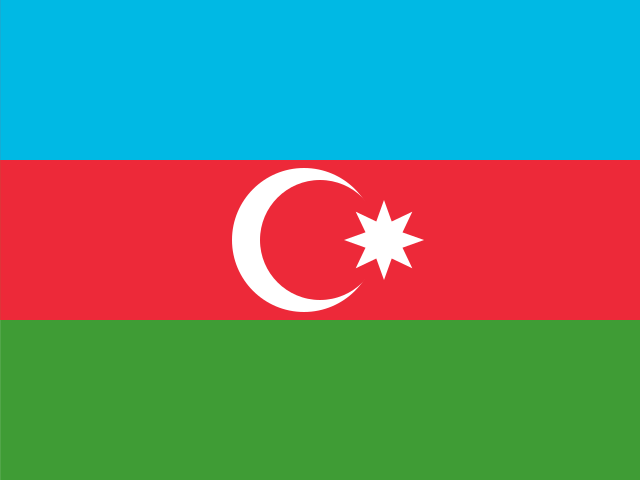
 Azerbaijan
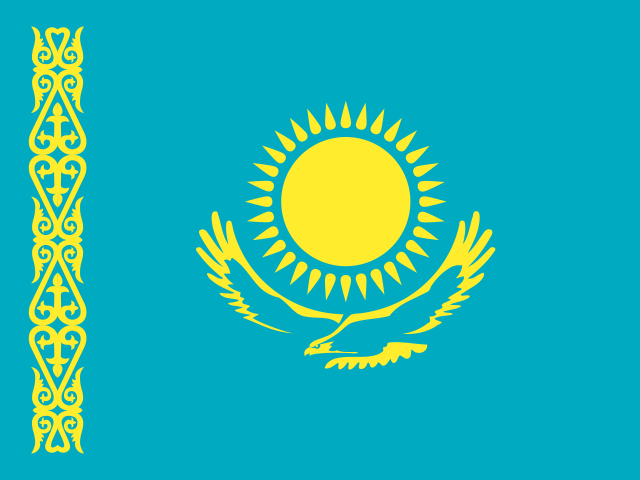 Kazakhstan
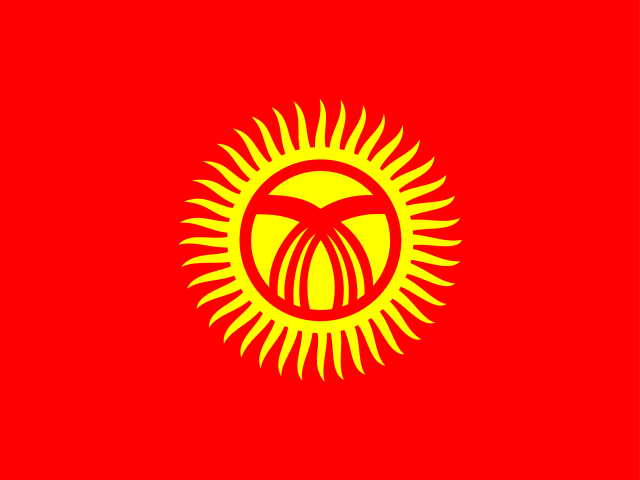 Kyrgyzstan
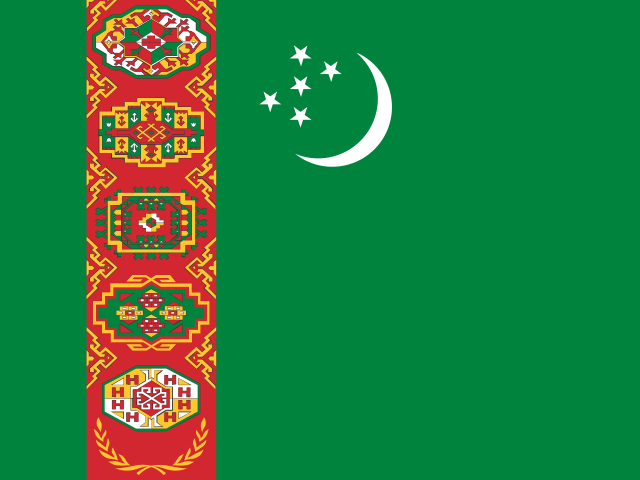 Turkmenistan
 Northern Cyprus
 Türkiye
 Tatarstan
 Bashkortostan
 Sakha (Yakutia)
 Gagauzia
 North Macedonia
 Bulgaria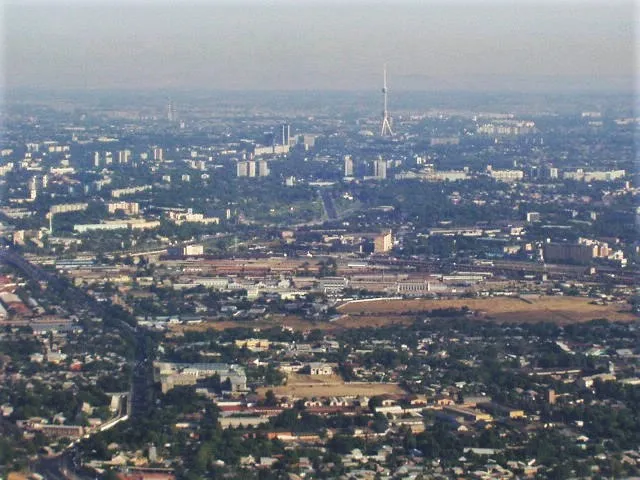
Tashkent
Tashkent, the capital of Uzbekistan and the most populous city in Central Asia, brings together Silk Road heritage, Soviet-era architecture and lively bazaars. It is a place where Timur's legacy, wide boulevards, tea houses and ornate metro stations sit side by side.
Why visit
Tashkent is Central Asia's largest city, with more than 3 million people and around 2,200 years of written history. Traces of Sogdian and Turkic culture, Silk Road trade, Russian Turkestan and Soviet-era planning all coexist here.
The name is usually explained as Turkic tash ("stone") plus kent ("city"), and it appears in the writings of Biruni and Mahmud al-Kashgari from around the 11th century. Much of the city was rebuilt after the 1966 earthquake, which gives the centre its distinctive Soviet-modernist character.
How many days
Two full days is usually enough for the main sights; three lets you explore the old city, bazaars and museums without rushing and add a short excursion.
If you are continuing to Samarkand, Bukhara or Khiva, Tashkent often works well as a short stop at the start or end of the trip.
Top sights
Chorsu Bazaar is one of the city's traditional markets, with stalls of spices, dried fruit, bread and fresh produce, and it makes a good first stop. The surrounding old-town streets and madrasas show the historic side of the city.
The Amir Timur Museum tells the story of Timur and the Timurid era; Timur's connection to Tashkent goes back to the 14th century. In the rebuilt modern centre you will find broad squares, parks and Soviet-era buildings. The metro stations are also worth seeing, but check the current rules on photography before you go.
Where to stay (neighbourhoods)
Central districts suit visitors who want to reach the main sights on foot or with a short metro ride. The area around the old city appeals to those who like the bazaar and a more traditional atmosphere.
For something calmer and greener, look at neighbourhoods near the city's parks. Compare current reviews and locations before booking.
Getting there and around
Tashkent is Uzbekistan's main air, rail and road hub. It has an international airport and is linked to other major cities by train and road; check schedules and ticket conditions before you go.
Within the city there are metro, bus and taxi options. The metro is fast and easy to follow, and ride-hailing apps are widely used.
What to eat
Plov, the rice dish at the heart of Uzbek cuisine, is a must in Tashkent. Manti, shashlik, samsa and lagman are also common, usually served with tea and fresh bread.
In the bazaars you can sample dried fruit, nuts and sweets. If you have dietary restrictions, ask about ingredients first.
Best time to visit
Tashkent has a continental climate, and spring and autumn arrive early and are generally the most comfortable seasons for sightseeing. In summer temperatures often reach 35-40 °C; the hot spell known locally as chilla is part of the city's culture.
Winters can be cold, though cold spells are usually short. Air pollution tends to be worse in winter, so check air quality if you are sensitive.
Day trips
To the east of the city, the foothills of the western Tian Shan offer green areas for walking and mountain views. Research routes and transport options in advance.
Samarkand, reachable by high-speed train, is also considered by many travellers as either a long day trip or an overnight stay; check current schedules.
Map
Places to see
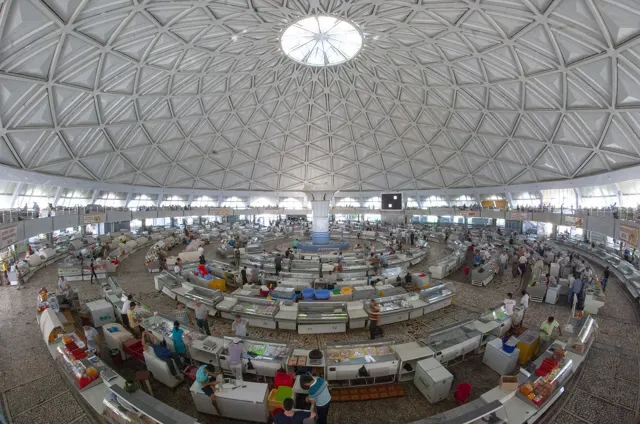 Chorsu BazaarUnder its blue dome in the heart of Tashkent's old town, Chorsu Bazaar is a lively market where everything from vegetables to spices, nuts and bread is sold. It is a good stop for anyone who wants to see everyday city life and a distinctive piece of late Soviet modernist architecture.
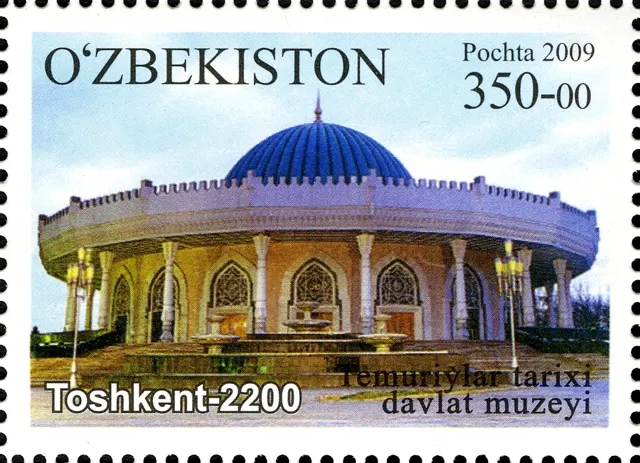 Amir Timur MuseumA blue-domed round building in the centre of Tashkent brings the world of Timur and the Timurid dynasty under one roof. Its collection of miniatures, manuscripts, coins and weapons makes a compact, rich introduction to Central Asian history.
Latest news
- Uzbekistan and World Bank discuss attracting investment
- Uzbekistan and IFC discuss transport and energy projects
- Uzbekistan to Create Full Cost Coverage System for Childhood Cancer Treatment
- Uzbekistan and EBRD discuss privatization and support for business
- Uzbekistan and Malaysia agree to train semiconductor workforce
- Mirziyoyev Discusses New Power Plants and Fuel Supplies With Foreign Investors