 Azerbaijan
 Kazakhstan
 Uzbekistan
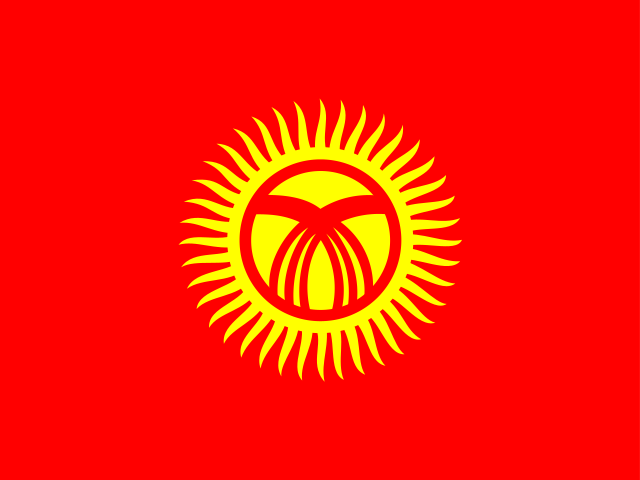 Kyrgyzstan
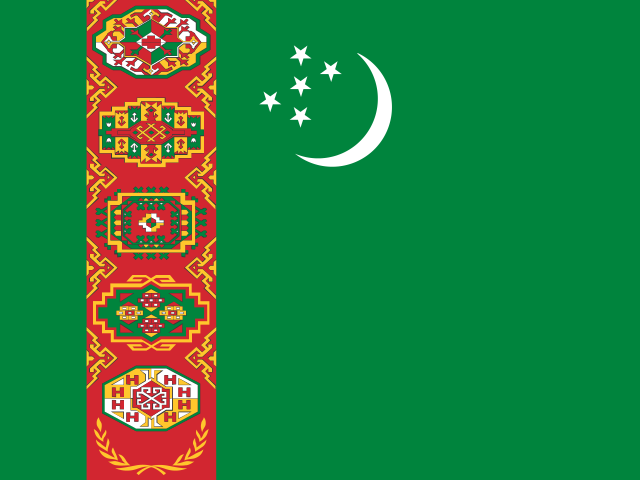 Turkmenistan
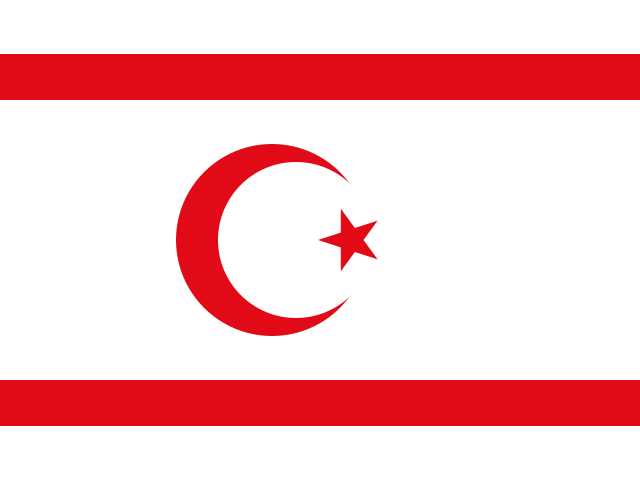 Northern Cyprus
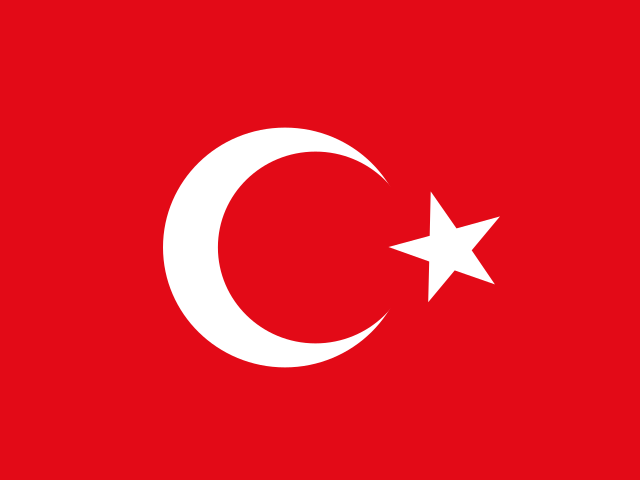 Türkiye
 Tatarstan
 Bashkortostan
 Sakha (Yakutia)
 Gagauzia
 North Macedonia
 Bulgaria
Central Asia Shapes Terms of Cooperation With China, Experts Say
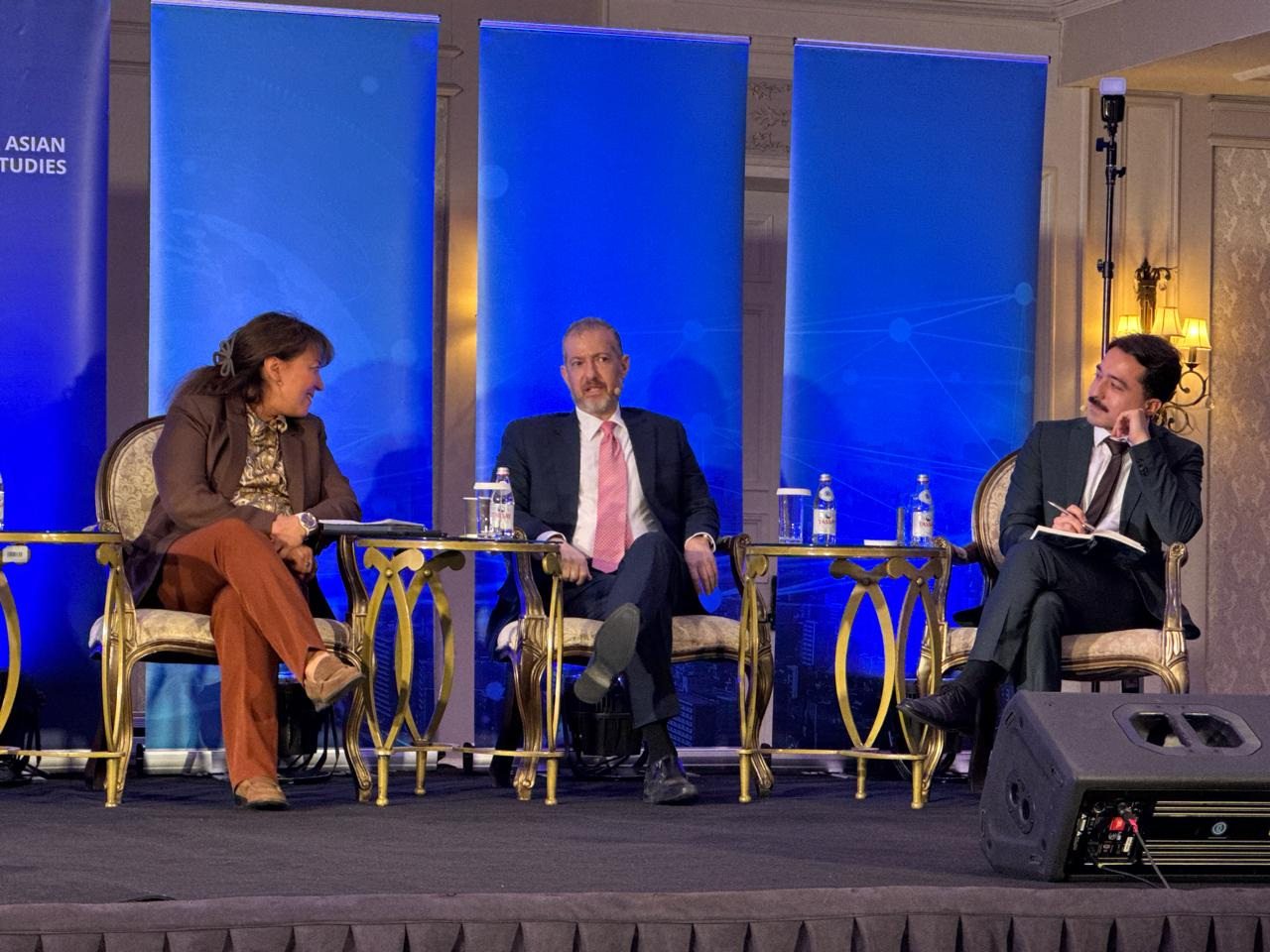
Central Asian countries are increasingly shaping how China invests, builds infrastructure and develops technological partnerships in the region, experts said at an Oct. 20 discussion in Almaty. The event was organized by the Almaty-based CAPS Unlock think tank and the Carnegie Endowment for International Peace. Participants argued that local governments, institutions and businesses influence China's activities, challenging the idea that Beijing follows a single model.
Djoomart Otorbaev, former prime minister of the Kyrgyz Republic, said accumulated Chinese foreign direct investment in Central Asia reached $56 billion by mid-2025, nearly doubling over the previous decade. Raw materials made up about 68% of Chinese investment a decade ago, a share that has declined to 54%. Manufacturing now represents 22%, while energy, including renewables, accounts for 12%. Kazakhstan remains the largest single recipient of Chinese investment, while Uzbekistan has emerged as an increasingly significant competitor.
Evan A. Feigenbaum, vice president for studies at the Carnegie Endowment, cautioned that intensifying competition between the United States and China could make it harder for regional countries to maintain diversified partnerships. Temur Umarov of the Carnegie Russia Eurasia Center urged analysts to pay closer attention to changes originating within Central Asia, saying the initiative is not coming from Washington.
This story was automatically summarised and translated from Astana Times. All rights to the story belong to its source.