 Azerbaijan
 Kazakhstan
 Uzbekistan
 Kyrgyzstan
 Turkmenistan
 Northern Cyprus
 Türkiye
 Tatarstan
 Bashkortostan
 Sakha (Yakutia)
 Gagauzia
 North Macedonia
 Bulgaria
Kazakhstan plans 13.3 GW of new power capacity by end of 2029
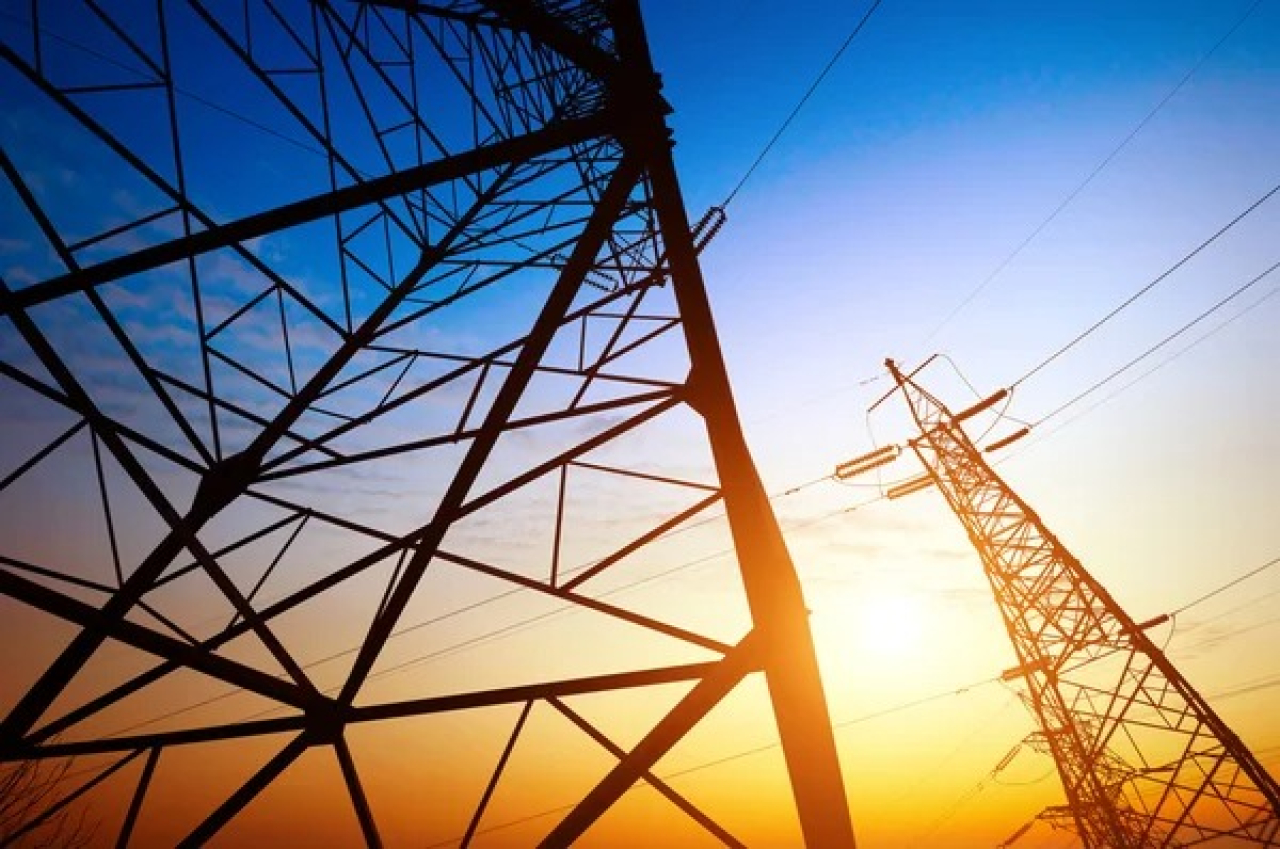
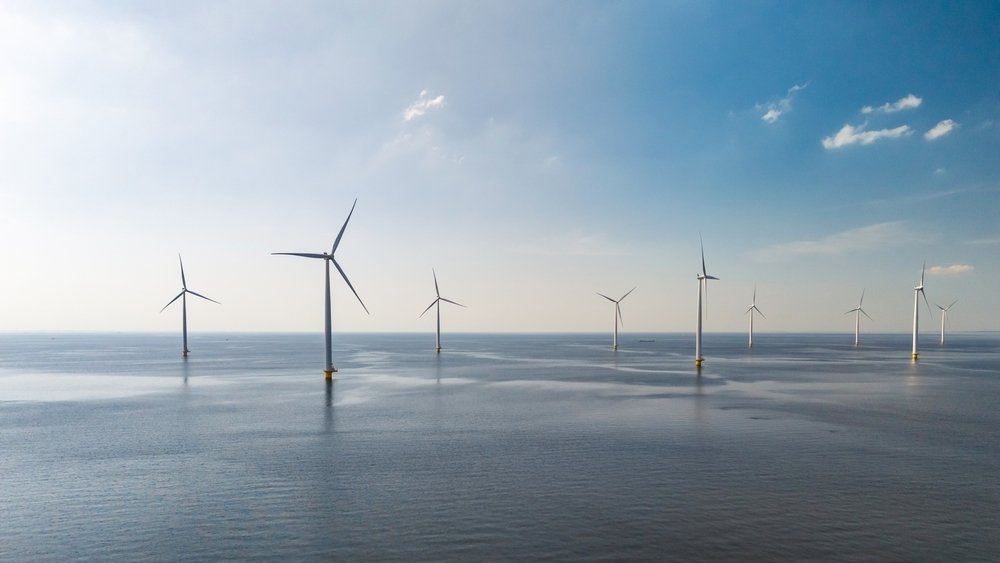
Kazakhstan plans to commission 13.3 GW of new energy capacity by the end of 2029, a move that would fully meet domestic electricity needs and create a 20% surplus of generating capacity. First Deputy Prime Minister Nurlybek Nalibayev announced the plan at a government press conference on developing the real economy, in line with instructions set out in the President's Address.
The unified power system currently includes 254 power sources, 172 of which are renewable. Its available capacity is 17 GW. In the first ten months of 2026, electricity generation exceeded 102 billion kWh while consumption topped 103 billion kWh. During peak hours, the shortfall in maneuverable capacity ranges from 800 MW to 2 GW, and is covered by operating in parallel with neighboring countries' grids.
Under the plan, 1.27 GW of new capacity is due in 2026 and 2.5 GW in 2027, including 574 MW from renewables. Of the 13.3 GW planned through 2029, 7.4 GW will be baseload generation, including 4.3 GW of gas, and 5.9 GW will come from renewable sources. The national energy balance will also be updated to 2035 with support from international institutions.
This story was automatically summarised and translated from Khabar 24. All rights to the story belong to its source.