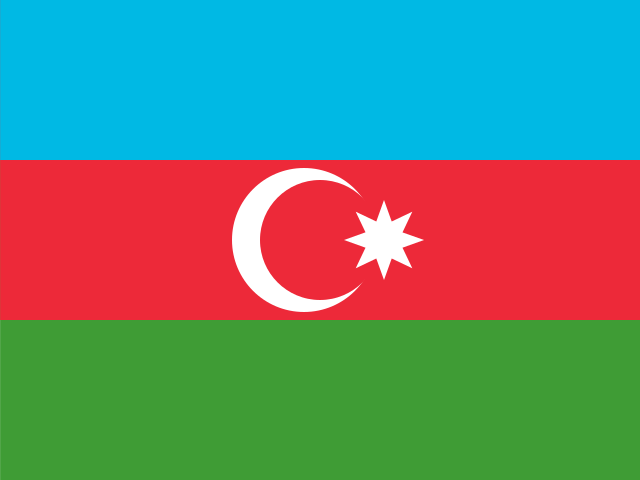
 Azerbaijan
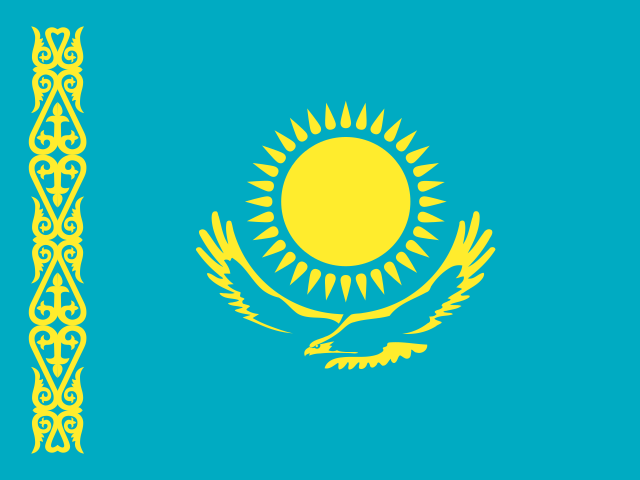 Kazakhstan
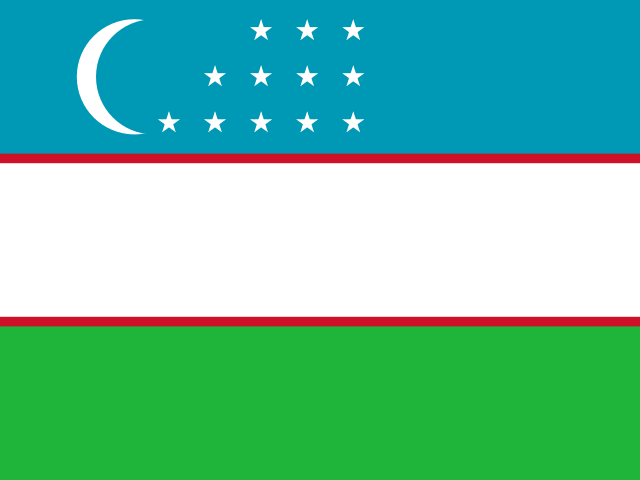 Uzbekistan
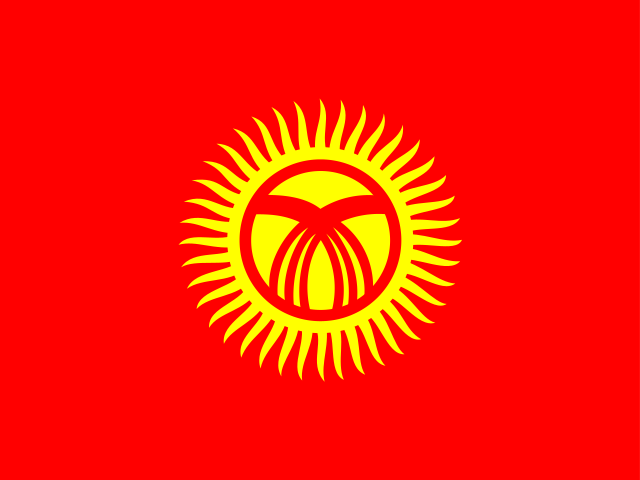 Kyrgyzstan
 Turkmenistan
 Northern Cyprus
 Türkiye
 Tatarstan
 Bashkortostan
 Sakha (Yakutia)
 Gagauzia
 North Macedonia
 Bulgaria
From agreements to projects: Javlon Vakhabov on US interest in Central Asia

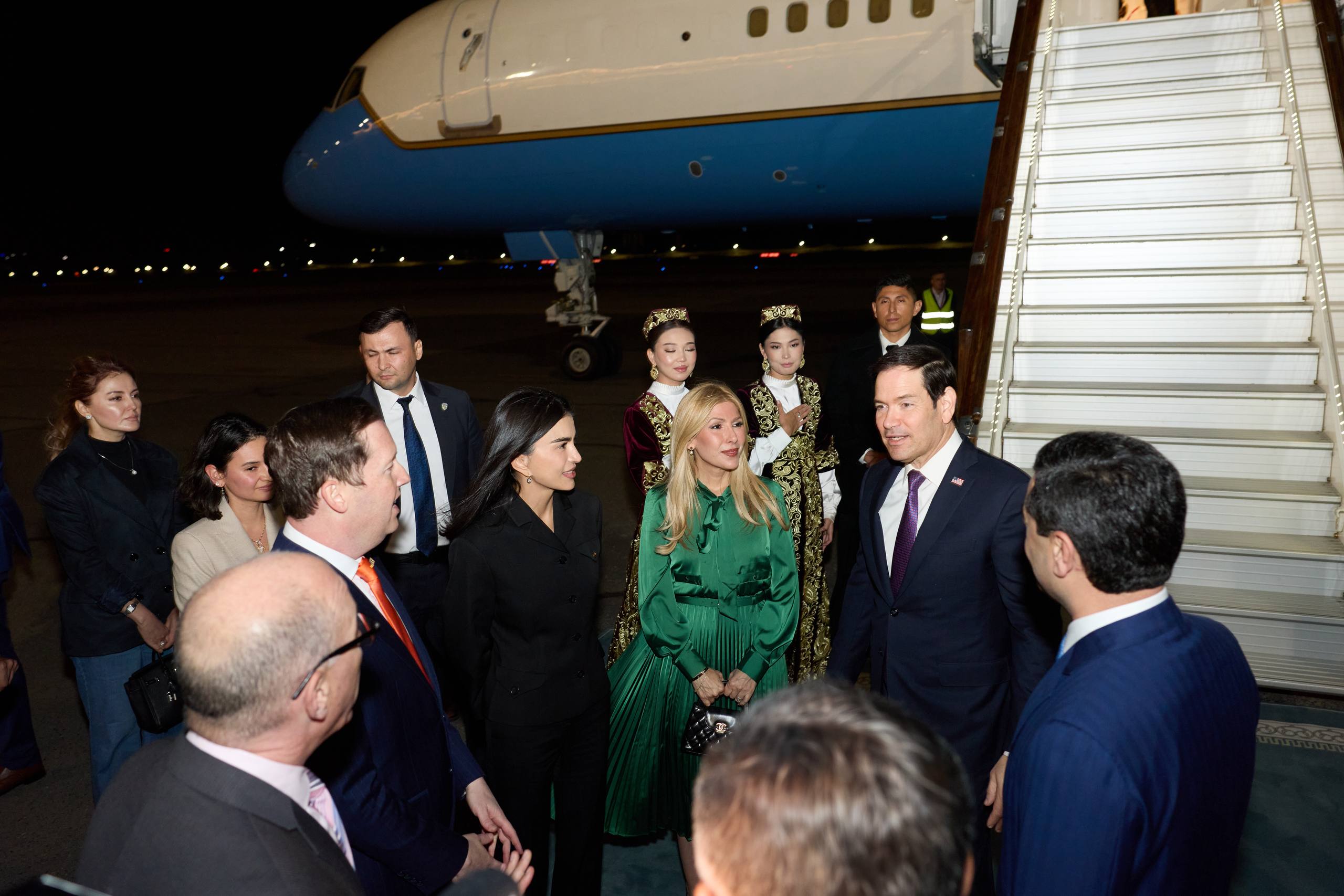
On 19 October in Samarkand, foreign ministers of Central Asian states will meet with US Secretary of State Marco Rubio. Ahead of the event, Javlon Vakhabov, director of the Gazeta Central Asia International Institute (MOHI), discussed how serious the United States' current economic interest in the region is, which projects could attract American investment, how cooperation in critical minerals could develop, and what is holding back the repeal of the Jackson-Vanik amendment.
Vakhabov said the next C5+1 meeting focuses on economic cooperation and business ties. He identified four main areas of practical interest for the region: energy, transport connectivity, critical minerals and modern manufacturing. He noted that practical mechanisms have already been created, including a joint investment platform with the US International Development Finance Corporation (DFC), cooperation with the US Export-Import Bank (EXIM) and the US-Uzbekistan Business and Investment Council. Today's main task, he said, is moving from agreements already reached to concrete investment projects.
On critical minerals, Vakhabov noted that a C5+1 dialogue on the issue began in 2024, and that Uzbekistan proposed a regional alliance at a meeting in Avaza. A new memorandum on critical minerals and rare earth elements was signed in February 2026. More than 200 representatives of American business are expected to attend in Samarkand.
This story was automatically summarised and translated from Gazeta.uz. All rights to the story belong to its source.