 Azerbaijan
 Kazakhstan
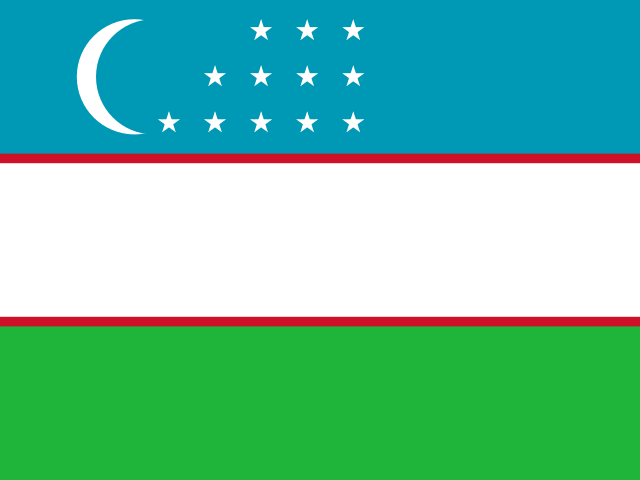 Uzbekistan
 Kyrgyzstan
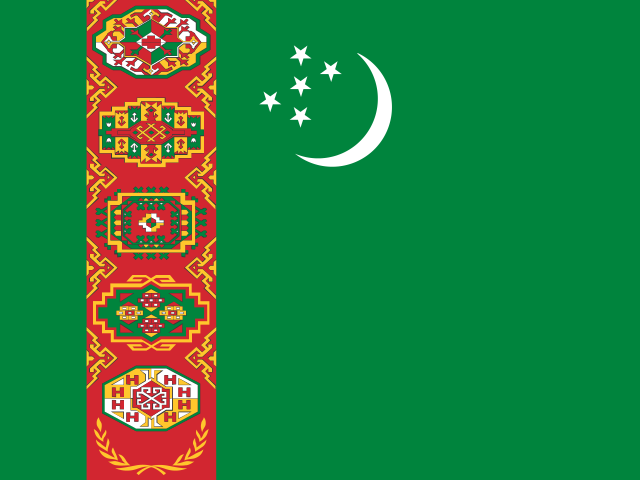 Turkmenistan
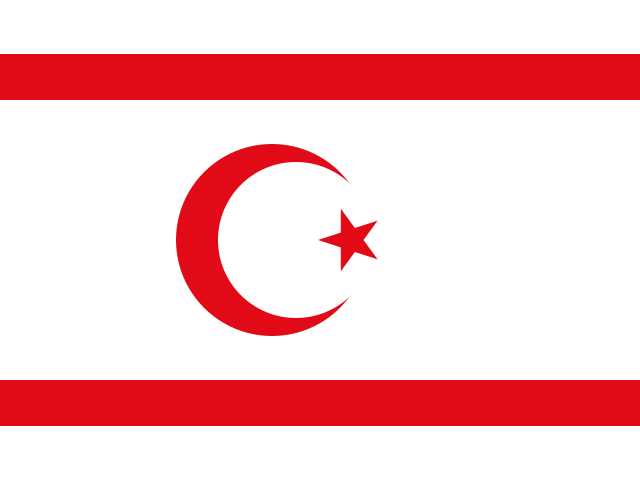 Northern Cyprus
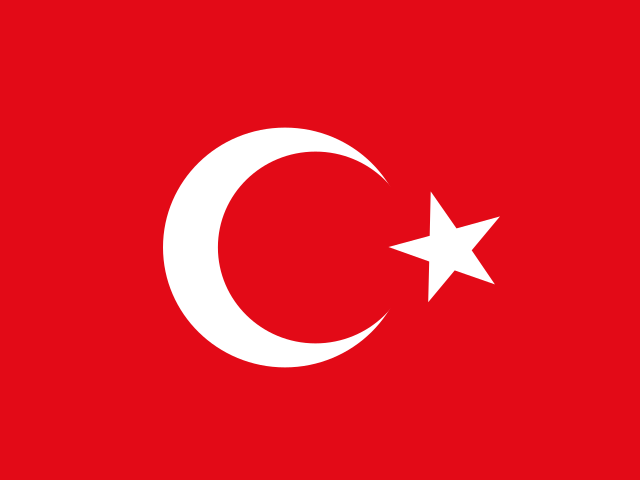 Türkiye
 Tatarstan
 Bashkortostan
 Sakha (Yakutia)
 Gagauzia
 North Macedonia
 Bulgaria
Middle Corridor: Can Uzbekistan Become a Key Transport Link Between Europe and Asia?

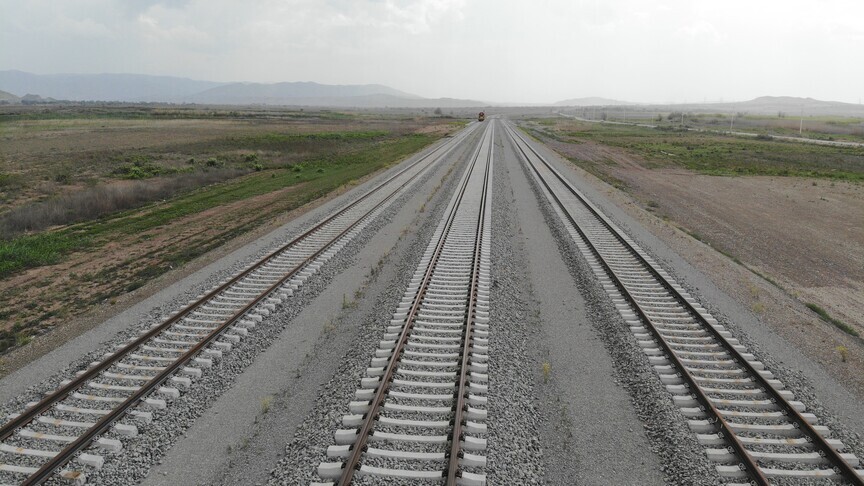
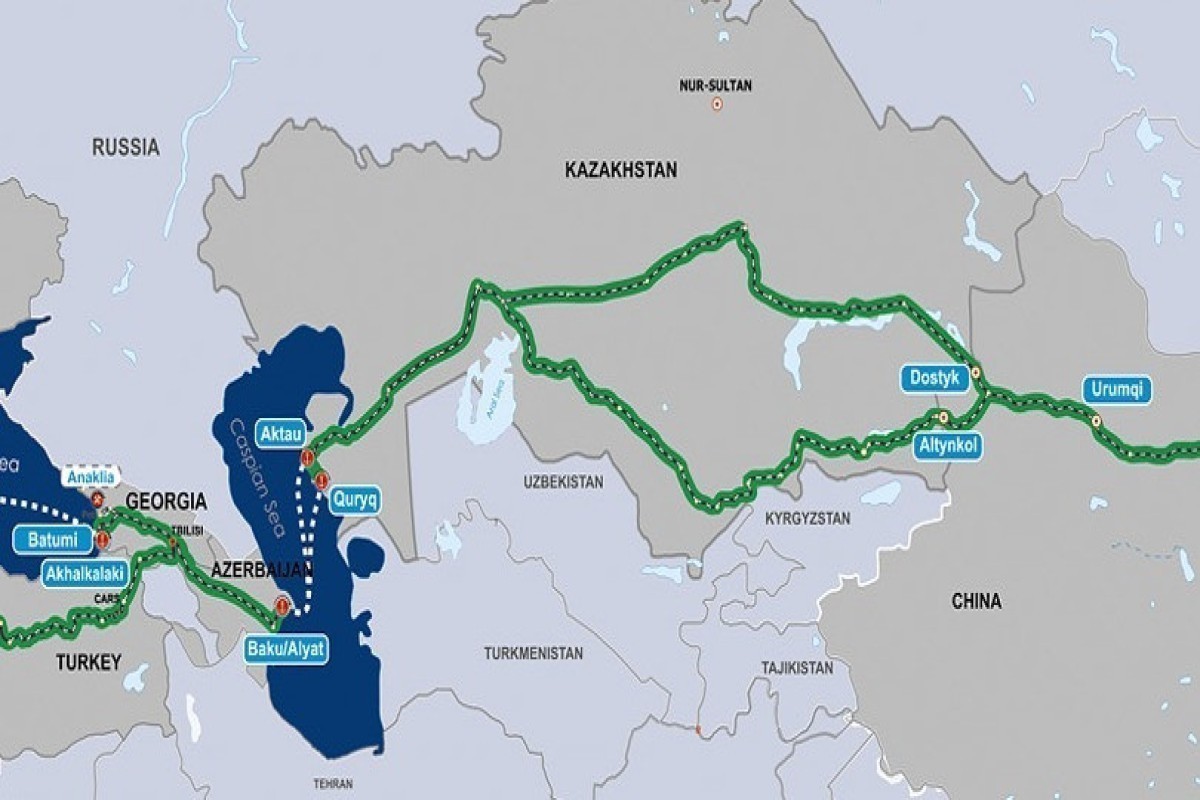
The Trans-Caspian International Transport Route, known as the Middle Corridor, is playing a growing role in trade between Asia and Europe. According to a World Bank report published on 28 September, cargo volumes along the corridor could more than triple and delivery times could be halved if the necessary infrastructure investments and reforms are carried out.
The report says GDP of the nine countries along the route could grow by 3.3 percent, and 2 million additional jobs could be created by 2040. Over $25 billion is needed by 2040 for railways, ports and roads, and nearly $30 billion for logistics centres, terminals, rolling stock and digital systems. Uzbekistan's GDP could rise by $749 million, with priorities including new rail routes, dry ports in Tashkent, Samarkand and Navoi, and rolling stock upgrades.
At a second national conference on the Trans-Caspian corridor in Tashkent, Transport Minister Ilkhom Makhkamov said Uzbekistan was preparing priority transport projects with the European Union and international financial institutions. He noted that 24 of Uzbekistan's 27 transport and logistics centres are included in ESCAP's list of dry ports, and that 70% discounts on rail transport were introduced under the CASCA+ multimodal route. EU Ambassador to Uzbekistan Toivo Klaar stressed the need to coordinate international transport rules.
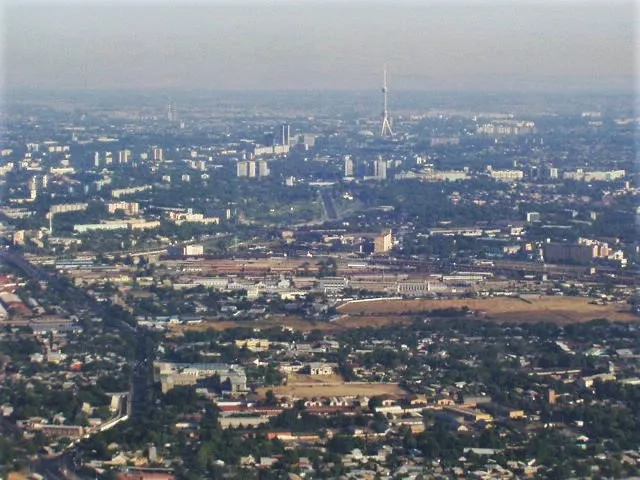 🧭 TravelTashkentTashkent, the capital of Uzbekistan and the most populous city in Central Asia, brings together Silk Road...
Follow us on Telegram @weareturks_news_en
This story was automatically summarised and translated from UzA. All rights to the story belong to its source.