 Azerbaijan
 Kazakhstan
 Uzbekistan
 Kyrgyzstan
 Turkmenistan
 Northern Cyprus
 Türkiye
 Tatarstan
 Bashkortostan
 Sakha (Yakutia)
 Gagauzia
 North Macedonia
 Bulgaria
Prime Medicine edits DNA inside the human body for the first time in Wilson disease trial
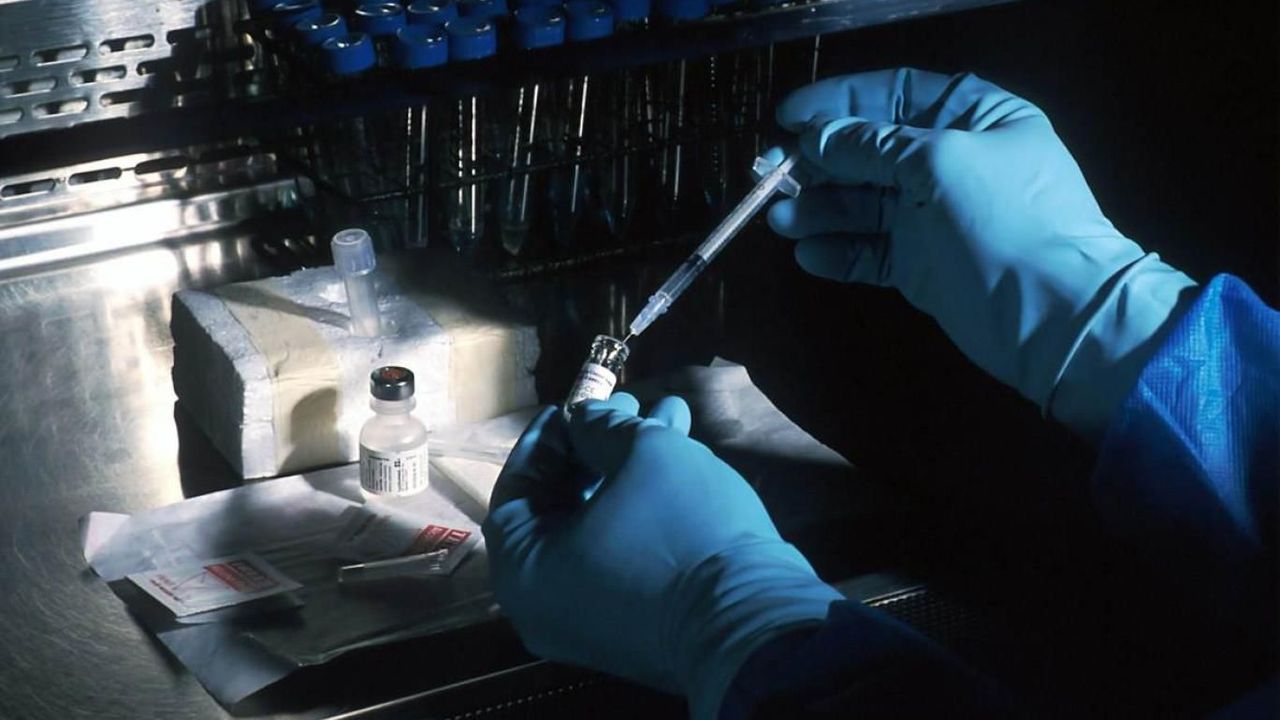
US biotechnology company Prime Medicine used a technique called prime editing in a clinical study to correct a genetic mutation that causes Wilson disease in liver cells. The work is described as the first direct change of DNA inside the human body using gene editing. Wilson disease is a rare condition that prevents the body from removing excess copper; if untreated, copper can build up to toxic levels, causing serious liver damage and nerve and neurological problems. The findings were published in the peer-reviewed journal Nature.
The treatment delivers gene editing tools to liver cells through tiny lipid nanoparticles, a technology similar to that used in mRNA vaccines. It removes the need to extract a patient's cells, edit them in a laboratory and inject them back, processes that are costly and risky. Traditional cell editing often requires patients to undergo heavy chemotherapy. Current treatments need lifelong copper-lowering medication, while gene editing could offer a one-time, lasting solution.
Experts caution that doctors cannot verify whether edits are fully accurate before cells begin to multiply, and that delivering editing tools precisely to target organs remains a 'fundamental challenge', according to Krishanu Saha of the University of Wisconsin-Madison. Prime Medicine is expected to announce its first clinical results from the trial next year.
This story was automatically summarised and translated from Kıbrıs Manşet. All rights to the story belong to its source.