 Azerbaijan
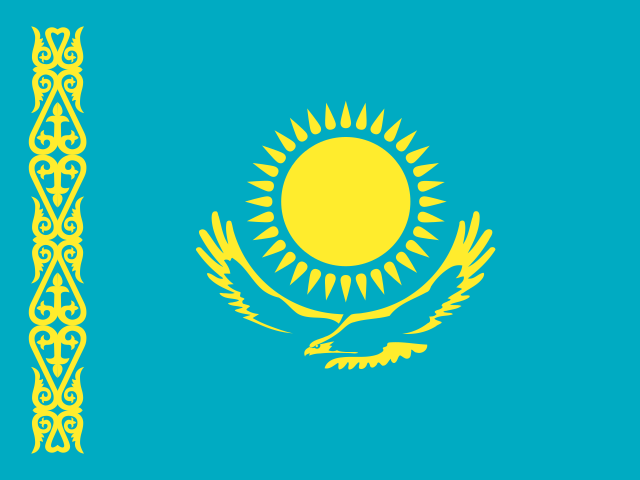 Kazakhstan
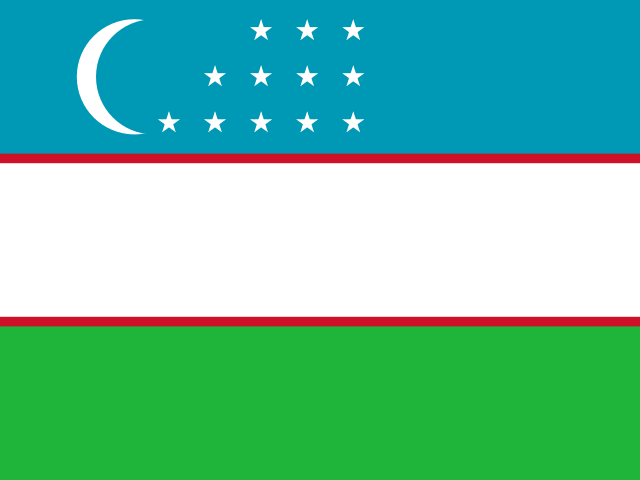 Uzbekistan
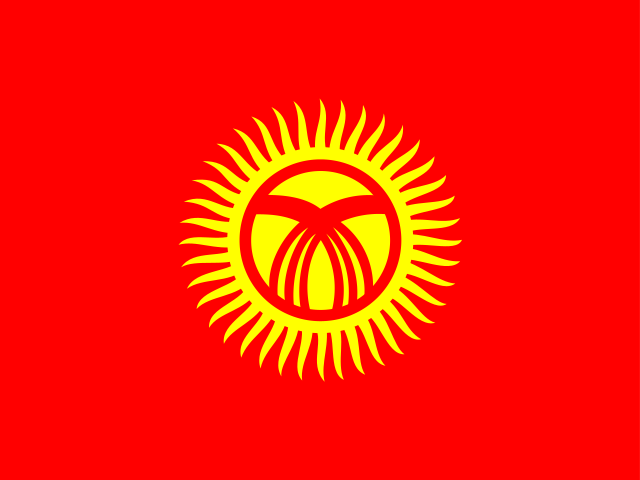 Kyrgyzstan
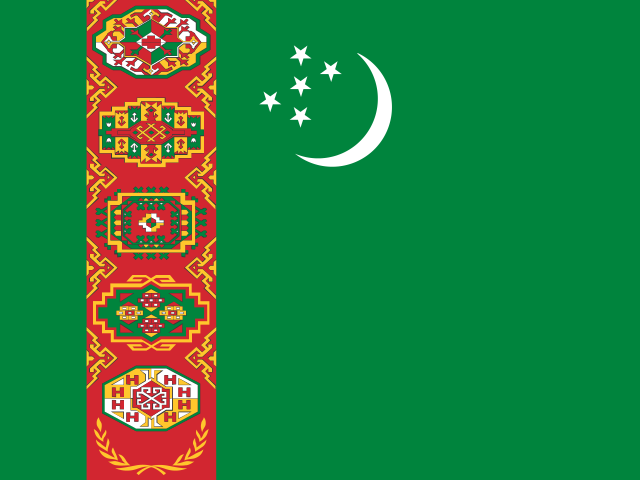 Turkmenistan
 Northern Cyprus
 Türkiye
 Tatarstan
 Bashkortostan
 Sakha (Yakutia)
 Gagauzia
 North Macedonia
 Bulgaria
Beshbarmak across the Turkic world
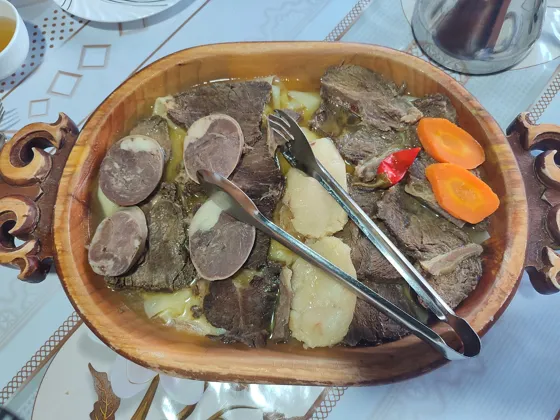
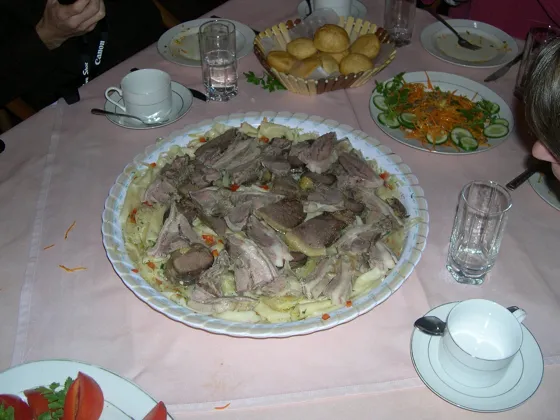
What these dishes share is a simple, filling idea: boiled meat, dough and a broth served alongside. The name means "five fingers", because the dish was traditionally eaten by hand. Its exact origin is hard to pin down, but the pairing of meat and dough is familiar across the steppe and pastoral kitchens of many peoples.
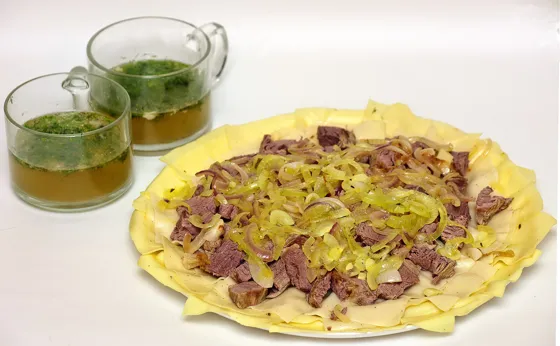
The details change from place to place. Kazakh beshbarmak is usually made with horse or mutton, with wide thin noodles, onion on top and the broth served separately in bowls. Kyrgyz beshbarmak follows the same basic structure but carries its own kitchen habits. In Turkmenistan, Dograma is a close relative built on boiled meat and broth. In Bashkortostan, Bashkir bishbarmak keeps the shared name with its own way of serving.
This is not a dish cooked for one. It arrives when guests visit, on holidays or at a big family dinner, and the meat, noodles and broth are shared around one large platter.