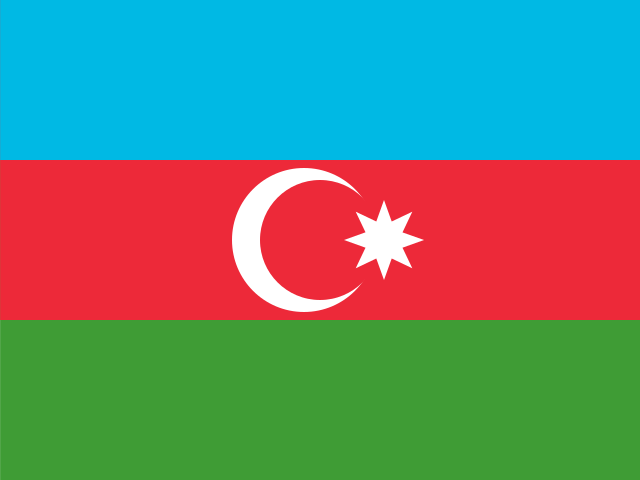
 Azerbaijan
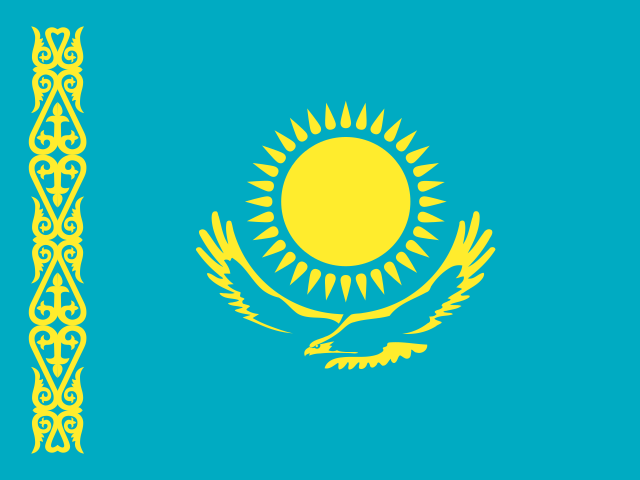 Kazakhstan
 Uzbekistan
 Kyrgyzstan
 Turkmenistan
 Northern Cyprus
 Türkiye
 Tatarstan
 Bashkortostan
 Sakha (Yakutia)
 Gagauzia
 North Macedonia
 Bulgaria
Plov across the Turkic world
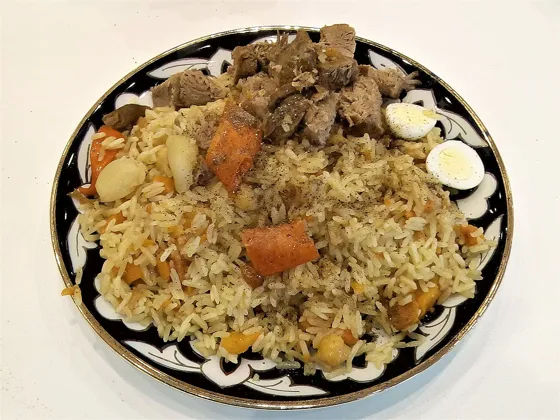
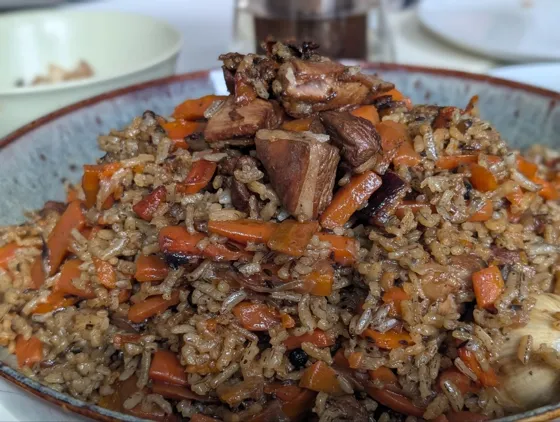
Pilaf is one of the shared culinary languages of the Turkic world. Built on rice, fat and salt, it is enriched with meat, carrots, dried fruit or spices depending on the cook. Almost everywhere the aim is the same: rice with grains that stay separate. Its exact origin is not settled; it most likely took shape across Central Asia, Iran and neighbouring cuisines together.
In Azerbaijan, Shah plov is known for its rice wrapped in lavash or a dough crust and baked, with dried fruit and nuts inside. In Uzbekistan, Uzbek palov (osh) is cooked in a cauldron, with meat, yellow carrots and rice built up in layers. In Turkmenistan, Turkmen palaw comes to the table as a meat-and-carrot cauldron dish that changes from region to region and home to home.
These pilafs are often eaten together from one large platter. At a wedding, a holiday or an ordinary evening, a pot of plov brings people to the same table.