 Azerbaijan
 Kazakhstan
 Uzbekistan
 Kyrgyzstan
 Turkmenistan
 Northern Cyprus
 Türkiye
 Tatarstan
 Bashkortostan
 Sakha (Yakutia)
 Gagauzia
 North Macedonia
 Bulgaria
🎉 Festive tables
Traditional dishes for Nowruz, Ramadan, Eid al-Adha and weddings.
Nowruz table
Nowruz marks the arrival of spring around 21 March and is celebrated across a wide stretch of the Turkic world, from Azerbaijan to Kazakhstan and Uzbekistan. The table is where families and neighbours gather. Homes are cleaned, guests are welcomed, and sweets and dishes made specially for the holiday are prepared. The name and the details vary by region: Novruz in Azerbaijan, Nauryz in Kazakhstan, Navruz in Uzbekistan.
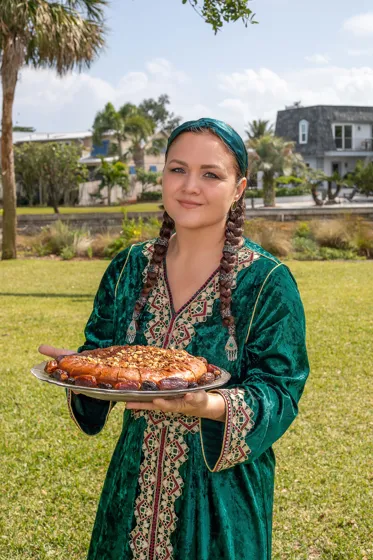
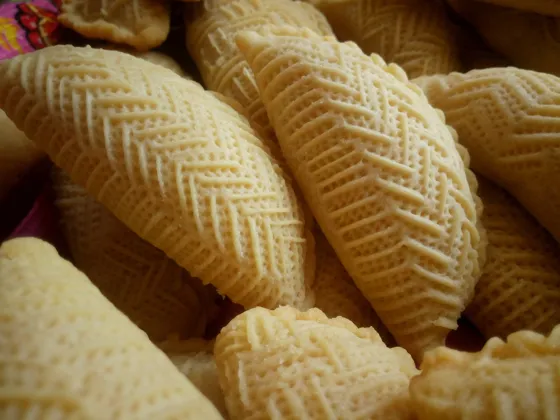
In Azerbaijan, the stars of the table are shah plov and shekerbura. Shah plov is rice wrapped in thin lavash bread and baked, then cut open to reveal a golden crust. Shekerbura is a crescent-shaped pastry filled with ground hazelnuts or almonds and sugar. In Kazakhstan, Nauryz kozhe is a soup often made with seven ingredients, while in Uzbekistan sumalak, made from sprouted wheat, is cooked for many hours in large cauldrons. The exact origins of some of these dishes are not firmly established, but all of them are tied to the coming of spring.
Ramadan iftar and suhoor tables
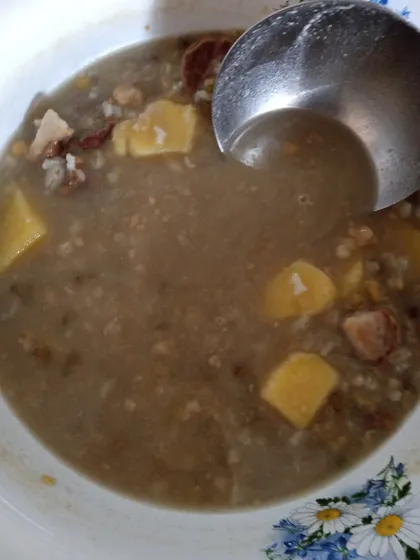
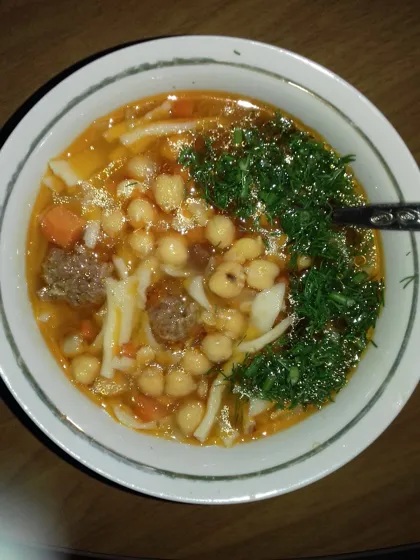
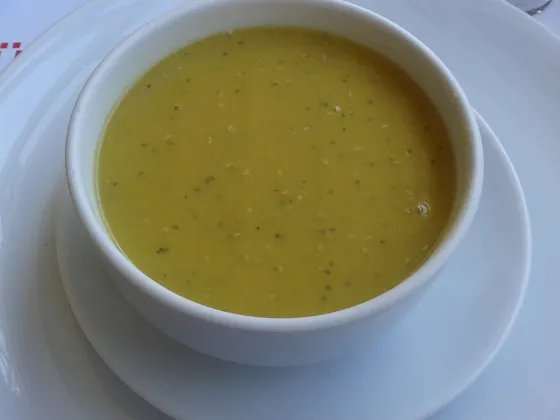
During Ramadan the fast begins at dawn, after the pre-dawn meal called suhoor (sahur in Turkish), and ends at sunset with iftar. In many homes iftar starts with water and dates, often followed by soup. The table is usually shared with family, neighbours and guests. In parts of Türkiye, drummers still wake people for sahur.
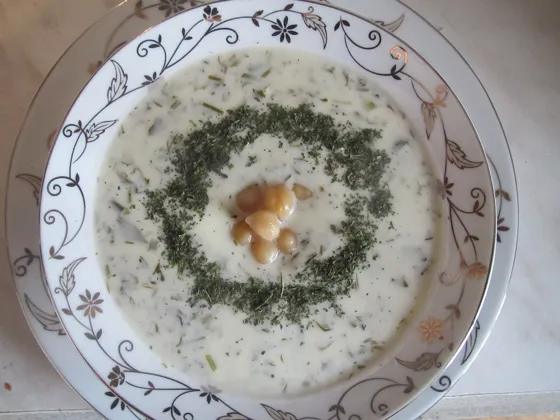
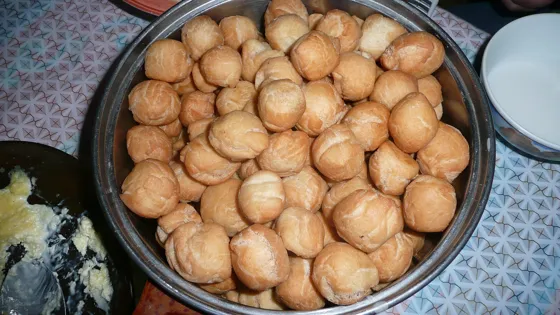
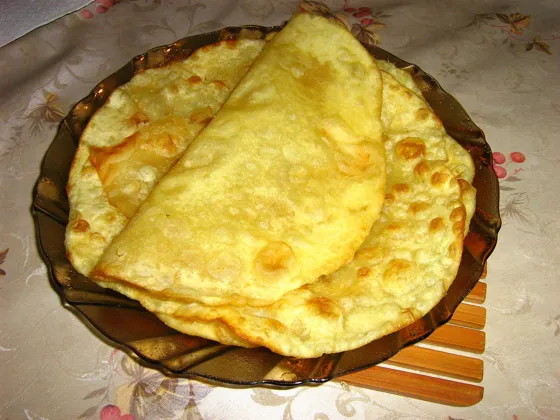
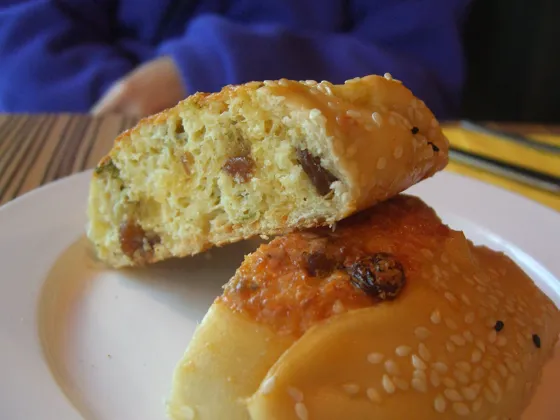
The dishes on this site come from different kitchens, and not all of them are specific to Ramadan. From Türkiye there are red lentil soup and baklava, from Azerbaijan dovga, and from Uzbekistan shurva, all suited to an iftar table. Kazakh baursak and shelpek, Kyrgyz boorsok and Turkmen pishme are fried doughs. Pilavuna, the halloumi pastry from Northern Cyprus, is also listed here.
The Kurban Bayram (Eid al-Adha) table
At Kurban Bayram, the meat of the sacrificed animal is traditionally divided into three parts: one for the household, one for relatives and neighbours, and one for people in need. Across the Turkic world, the first days of the holiday usually bring fresh meat to the table, and the liver and other offal are often cooked first. The dishes differ from region to region, but they share a habit of generous hospitality.
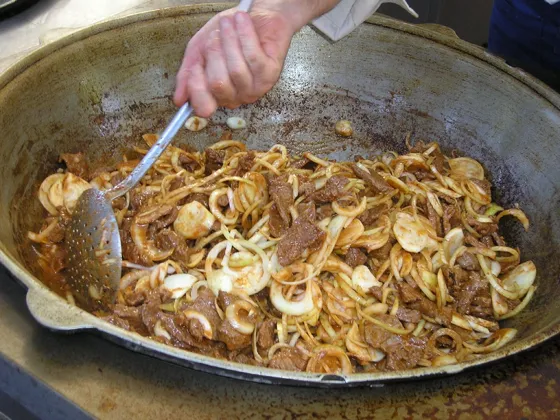
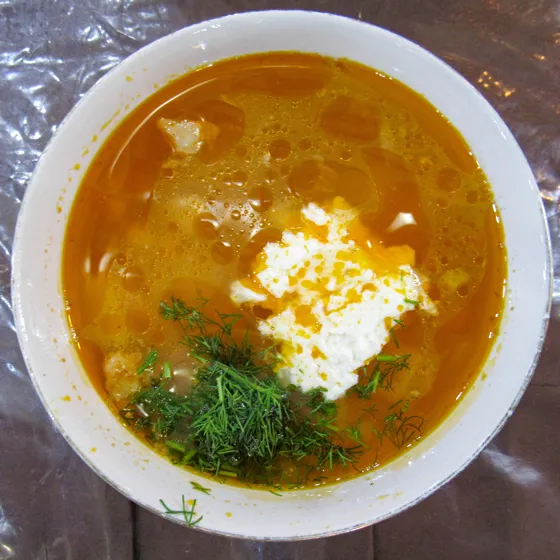
In Kazakhstan, kuyrdak is a fry of liver, heart and meat with onion, and sorpa, a meat broth, often sits beside it. In Kyrgyzstan a similar dish is called kuurdak. In Turkmenistan, dograma is made from chopped meat and bread. In Gagauzia, kaurma is meat braised slowly in a pot. The origins of these dishes and how they relate to each other are not firmly established; similar names may point to a shared past, but this is debated.
Wedding and feast table (toy, düğün)
Across the Turkic world, a wedding (toy in much of Central Asia, düğün in Turkey) involves not just one family but relatives, neighbors and friends. The table is laid generously, guest numbers are rarely capped, and a host considers it a matter of honor that nobody leaves hungry. Dishes are cooked in large cauldrons to feed a crowd, and serving often follows age and respect.
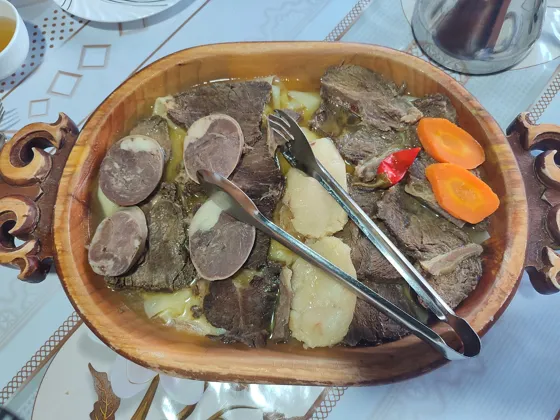
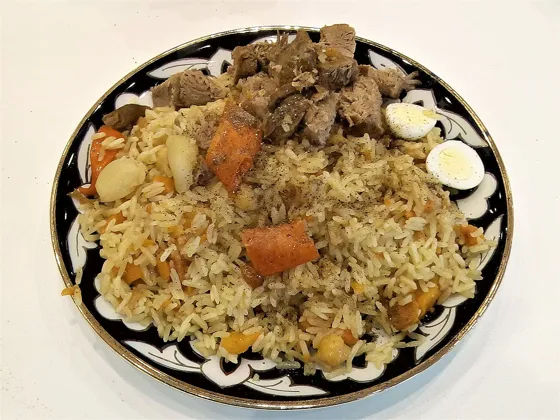
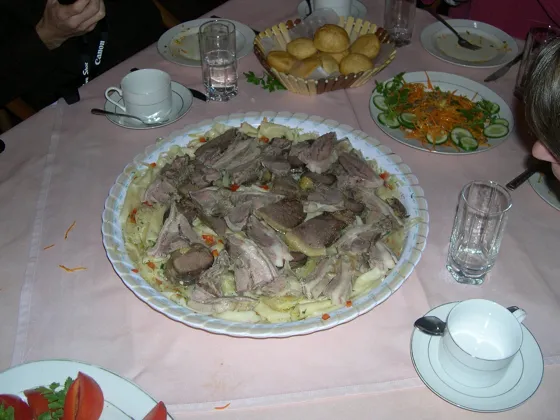
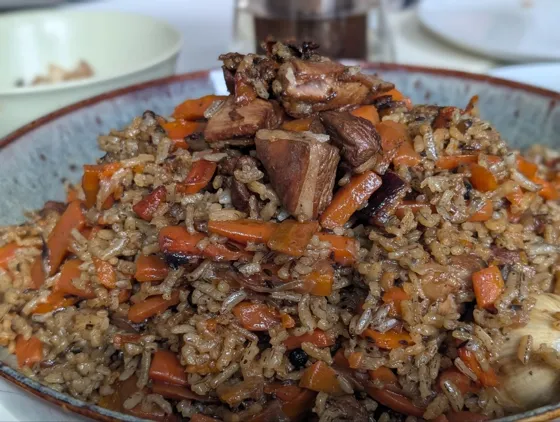
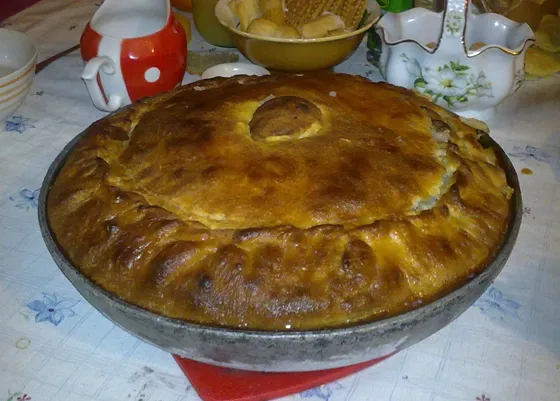
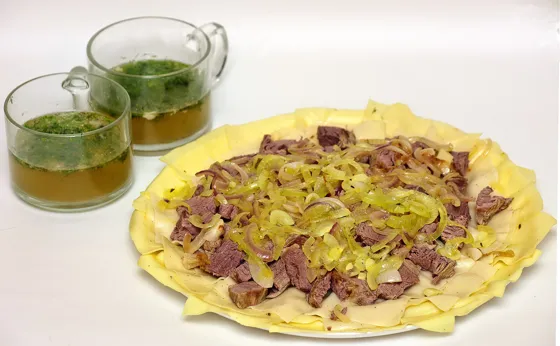
Rice pilaf is a common thread: shah plov in Azerbaijan, palov (osh) in Uzbekistan, palaw in Turkmenistan. Kazakh and Kyrgyz beshbarmak and Bashkir bishbarmak are slow-cooked meat-and-noodle dishes. Baursak in Kazakhstan and boorsok in Kyrgyzstan are fried dough treats, while in Tatarstan chak-chak, zur belish and gubadia round out the festive table with honeyed, filled and layered pastries. Details differ from region to region and even from family to family.